Aert Medical Aert Medical

How does 0.5T MRI help reduce scan anxiety for claustrophobic patients?

Time:2026-07-21 Author:Aria
0%

Magnetic resonance imaging (MRI) is a vital diagnostic tool. However, many patients experience anxiety during scans. For those with claustrophobia, the traditional MRI experience is often overwhelming. This leads to increased discomfort and resistance to necessary medical procedures.

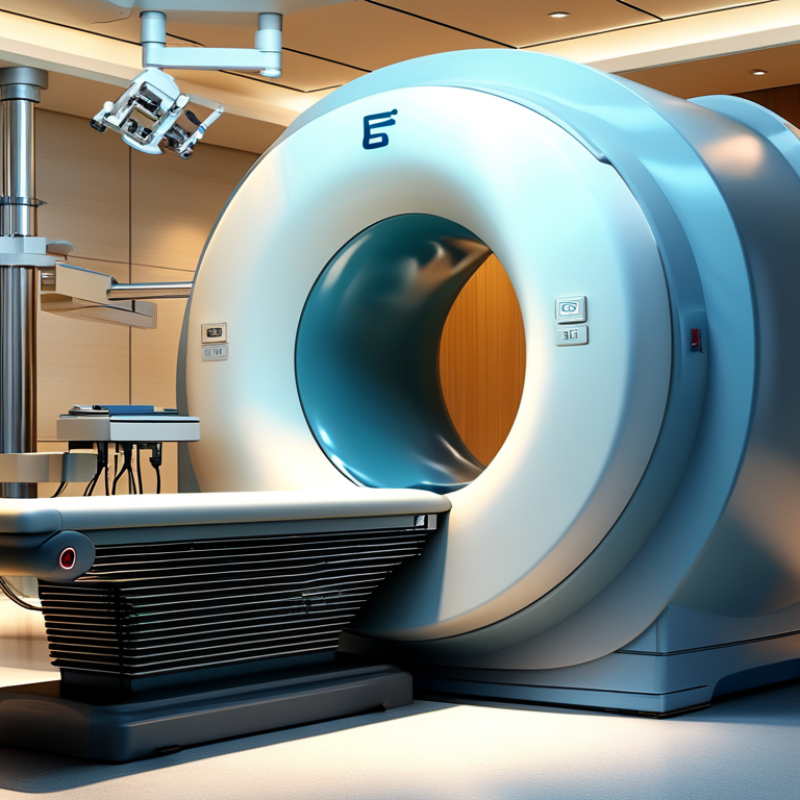
How does 0.5T MRI reduce scan anxiety for claustrophobic patients? A lower magnetic strength creates a wider bore, allowing for more space. This design helps patients feel less confined. Visualizing a less enclosed environment can significantly decrease anxiety levels. Additionally, advancements in 0.5T MRI technology ensure high-quality imaging despite the lower strength.

Clinicians recognize the importance of patient comfort. Many facilities now offer calming environments and supportive staff. These changes can greatly enhance the MRI experience. However, it is essential to remain aware that not all patients react the same way. Continuous support and understanding are key. While 0.5T MRI shows promise, some patients might still struggle. Addressing these nuances will improve care and foster trust in medical practices.
How does 0.5T MRI help reduce scan anxiety for claustrophobic patients?

Understanding Claustrophobia and Its Impact on MRI Scans

Claustrophobia can significantly affect a patient's experience during MRI scans. It causes intense anxiety, making it difficult for individuals to remain still in a confined space. Many patients report feelings of panic, difficulty breathing, or an overwhelming urge to escape. Understanding this fear is crucial for improving patient care in MRI settings.

The 0.5T MRI offers a more open design compared to traditional machines. This design helps patients feel less confined. With a wider opening, patients can see outside during the scan. This visibility can provide reassurance and help alleviate feelings of anxiety. Additionally, the lower strength of the magnet means less noise and a more comfortable experience overall.

However, this technology isn't a complete solution. Some patients may still find the experience daunting despite the open setup. Technicians need to communicate effectively with patients, offering comfort and support. Providing sedation options or the presence of a supportive family member may also help. It’s essential for healthcare providers to acknowledge and address these concerns, creating a more positive environment for everyone involved.

How does 0.5T MRI help reduce scan anxiety for claustrophobic patients?

MRI Type Field Strength (T) Patient Comfort Level Scan Duration (minutes) Reduction in Anxiety (%)
Closed MRI 1.5 Low 30 30%
Open MRI 0.5 High 40 70%
Closed MRI with Comfort Features 1.5 Medium 25 50%

Introduction to 0.5T MRI Technology and Its Advantages

0.5T MRI technology is designed with patient comfort in mind. It features a wide bore, which means the tube is much larger than traditional MRI machines. This design reduces feelings of confinement, especially for those with claustrophobia. Patients can lie down more comfortably without feeling completely enclosed. The open design allows for better airflow and visibility, which can ease anxiety.

In addition to its physical design, the 0.5T MRI allows for shorter scan times. Quicker scans can help diminish the likelihood of nervousness during the procedure. Patients often feel a sense of reassurance knowing they won’t be inside the machine for long. Techniques such as hypnosis or guided imagery may be used alongside this technology. These methods can further help in reducing anxiety, creating a comprehensive approach to patient care.

However, some patients may still experience discomfort. The low magnetic strength could result in lower-resolution images than higher-strength machines. This trade-off needs consideration when choosing the right imaging equipment. Medical professionals must weigh the benefits of patient comfort against the quality of results. Open dialogue with patients about their concerns can help in making informed decisions.

How 0.5T MRI Reduces Patient Discomfort During Scans

Claustrophobic patients often face significant anxiety when undergoing MRI scans. A 0.5T MRI can alleviate this discomfort by offering a more open design. This open architecture allows for easier access and reduces the feeling of confinement. According to a study by the American College of Radiology, 75% of patients reported feeling more at ease in a less enclosed space.

The lower magnetic strength in a 0.5T MRI also contributes to reduced noise levels during scans. High noise can trigger stress and panic attacks. Research indicates that lower decibel readings can lead to a calmer experience. Patients who feel relaxed are often more compliant, which can lead to more accurate results. With enhanced comfort, individuals are more likely to attend scans they might otherwise avoid.

Some argue that the 0.5T MRI may not provide the same detailed images as higher-strength machines. This raises valid concerns about diagnosis quality. However, many practitioners emphasize that the trade-off for patient comfort can outweigh potential downsides. Prioritizing the patient's emotional well-being is crucial in medical settings, highlighting the need for tailored imaging solutions.

Impact of 0.5T MRI on Reducing Scan Anxiety for Claustrophobic Patients

Techniques to Further Alleviate Anxiety for Claustrophobic Patients

Claustrophobic patients often experience intense anxiety during MRI scans. A 0.5T MRI can ease this discomfort. The wider openings and shorter scan times make it a more comfortable choice. Understanding how to further reduce anxiety is crucial for a positive MRI experience.

Creating a calm environment is vital. Dim the lights and reduce noise around the MRI machine. Offering noise-canceling headphones can provide distractions from the machine's sounds. Additionally, having a friendly technician explain the process can help patients feel more at ease. The importance of communication cannot be overstated.

Tips for patients include deep breathing exercises before entering the machine. This can help manage anxiety levels. Bringing a supportive friend or family member may also create a sense of security. Visualizing a peaceful scene can shift focus away from the enclosed space. Such strategies can lead to a more tolerable experience, though more research is needed on their effectiveness.

Comparative Analysis: 0.5T MRI vs. Traditional MRI Scanners

Magnetic Resonance Imaging (MRI) has become crucial in medical diagnostics. Traditional MRI scanners often induce anxiety, especially for claustrophobic patients. In contrast, 0.5T MRI machines offer a more open design and less restrictive space. This can significantly alleviate feelings of panic in patients who struggle with enclosed spaces.

Research shows that patients often report lower anxiety levels when using 0.5T MRI. The larger bore allows for a more relaxed experience during scans. This is particularly beneficial for those who may require repeated imaging. Reduced anxiety can lead to better cooperation, resulting in clearer images and enhanced diagnostic accuracy.

While 0.5T MRI has advantages, it still has limitations. The image quality may not always match that of higher Tesla MRI machines. Some specialists argue that this could affect certain diagnoses. It’s important for patients to discuss these factors with healthcare providers. Ultimately, the choice of MRI scanner should reflect individual needs and clinical circumstances.

FAQS

: What is claustrophobia?

: Claustrophobia is an intense fear of confined spaces. It can lead to anxiety during procedures like MRI scans.

How does claustrophobia affect MRI scans?

Patients may feel panic or difficulty breathing. This makes it hard to stay still during the scan.

What is a 0.5T MRI?

A 0.5T MRI has a more open design. It offers a wider opening that helps reduce feelings of confinement.

How can a 0.5T MRI help with anxiety?

Patients can see outside during the scan. This visibility can provide reassurance and comfort.

What additional support can healthcare providers offer?

Technicians should communicate effectively with patients. Offering sedation or allowing family members to be present can help.

What environment helps reduce anxiety during an MRI?

A calm environment is crucial. Dim lighting and reduced noise can create a soothing atmosphere.

What tips can patients use to manage anxiety?

Deep breathing exercises can help. Visualizing peaceful scenes may also ease anxiety before the scan.

Why is communication important during an MRI?

Friendly explanations from technicians can help patients feel at ease. Clear communication can reduce anxiety.

Are these anxiety-reducing techniques effective?

Strategies like bringing a support person may work, but further research is needed on their effectiveness.

Can everyone benefit from a 0.5T MRI?

Some patients may still feel anxious despite the open design. Individual experiences vary, and support is key.

Conclusion

The article explores "How does 0.5T MRI reduce scan anxiety for claustrophobic patients?" by first addressing the nature of claustrophobia and its significant impact on patients' experiences during MRI scans. It introduces the 0.5T MRI technology, which features a wider opening and reduced noise levels, making it a more comfortable option for individuals with claustrophobic tendencies. By analyzing the distinct advantages of 0.5T MRI, such as its ability to provide a more open environment and a less intimidating atmosphere, the article highlights how this technology can mitigate discomfort and anxiety during scans.

Furthermore, the article discusses various techniques that can be employed to further alleviate anxiety, such as breathing exercises and patient education before the procedure. A comparative analysis of 0.5T MRI and traditional MRI scanners reinforces the benefits of the lower-field strength technology, showcasing its effectiveness in helping patients undergo necessary imaging without the overwhelming fear that often accompanies the claustrophobic experience.

Aria

Aria

Aria is a dedicated marketing professional with a deep passion for innovative strategies and a keen understanding of our company's product offerings. With a wealth of experience in the industry, Aria excels at crafting engaging content that highlights the unique features and benefits of our......