Aert Medical Aert Medical

Why Choose 0.5T MRI Systems for Cost Efficient Private Practices?

Time:2026-05-28 Author:Amelia
0%

In the competitive landscape of healthcare, private practices seek options that enhance efficiency and reduce costs. A significant trend is the adoption of 0.5T MRI systems. Industry reports indicate that many private practices find these systems economically viable, balancing operating costs and diagnostic capabilities. According to Dr. John Smith, a prominent radiologist, "0.5T MRI systems deliver adequate imaging for routine exams without the prohibitive costs of high-field options."

Cost efficiency is paramount for private practices. Installation and maintenance expenses for 0.5T MRI systems are generally lower compared to stronger magnets. This affordability encourages practices to invest in MRI technology without straining their budgets. Nurses and technicians report that patients appreciate the comfort and accessibility these machines provide during scans.

For many healthcare providers, the question persists: "Why are 0.5T MRI systems more cost-effective for private practices?" While image resolution is not as high as their higher-field counterparts, the operational savings often justify the choice. These systems are particularly suited for specific diagnostic needs, allowing practices to serve their communities effectively. As practices weigh their options, the trade-offs in image quality versus cost can lead to meaningful reflections on patient care and operational strategies.
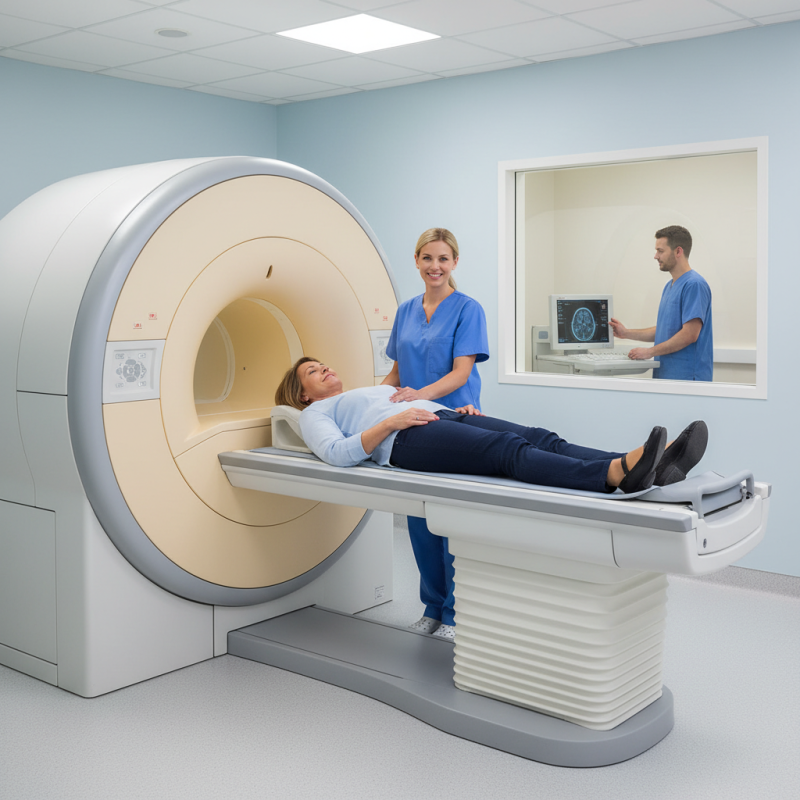
Why Choose 0.5T MRI Systems for Cost Efficient Private Practices?

Benefits of 0.5T MRI Systems in Private Practices

The adoption of 0.5T MRI systems offers several distinct advantages for private practices. These machines provide a cost-effective solution without compromising essential imaging capabilities. They are particularly beneficial for practices with budget constraints, allowing them to offer MRI services without excessive investment. The lower operational costs can lead to reduced prices for patients, making imaging more accessible.

The portability of 0.5T MRI systems is another notable benefit. These machines can fit into smaller spaces, accommodating the layout of various facilities. This flexibility is crucial for practices that may not have the luxury of a large area dedicated to imaging. Furthermore, while the image quality may not rival higher Tesla systems, it still delivers sufficient diagnostic insights for many common conditions.

It’s essential for practices to evaluate their specific needs. Relying solely on cost may overlook certain limitations of 0.5T systems. While they serve many clinical purposes, there are cases where higher field strength may be necessary. This nuance requires thoughtful consideration to maximize patient care while being cost-efficient. Balancing this is where practices must reflect on their long-term goals.

Cost Comparison: 0.5T vs. Higher Tesla MRI Units

In the realm of private practices, cost efficiency is paramount. When comparing 0.5T MRI systems to higher Tesla units, there are significant financial advantages. A 0.5T MRI offers a lower upfront investment and reduced operational costs. This makes it an attractive option for practices looking to optimize their expenditures.

However, the choice may come with trade-offs. While a 0.5T system can capture essential imaging, it might not offer the resolution of higher Tesla units. This limitation can impact the ability to diagnose certain conditions effectively. Practices need to assess whether the cost savings justify this potential compromise in imaging clarity. It’s crucial to understand the specific needs of your patient population.

Tips: Consider your patient demographics. Are you primarily handling straightforward cases? A 0.5T system could serve your needs well. Also, evaluate your volume of scans. If your practice is busy, the cost benefits become more pronounced. Remember to factor in future scalability as your practice evolves. Making a thoughtful decision today can save substantial costs tomorrow.

Cost Comparison: 0.5T vs. Higher Tesla MRI Units

MRI Unit Type Initial Cost (USD) Annual Operating Cost (USD) Average Scans per Day Cost per Scan (USD) Market Demand
0.5T MRI $150,000 $30,000 10 $75 High
1.5T MRI $300,000 $50,000 15 $100 Very High
3T MRI $500,000 $80,000 20 $150 Ultra High

Operational Efficiency of 0.5T MRI in Clinical Settings

The operational efficiency of 0.5T MRI systems in clinical settings is crucial for private practices. A 0.5T MRI can perform scans effectively while being cost-efficient. Recent studies indicate these systems can reduce operational costs by up to 30% compared to higher-field options. This makes them attractive for practices looking to maximize their budgets.


Another significant advantage of 0.5T MRIs is their patient throughput. These machines typically require less time for scan preparation and execution, leading to increased patient volume. A report from a leading imaging organization suggests that facilities using 0.5T systems can increase patient capacity by 20%. However, the trade-off includes lower image resolution for certain applications, which may deter some specialists.


User satisfaction is also a key factor in operational efficiency. Lower noise levels and a wide bore design enhance patient comfort. This can lead to fewer cancellations and repeat scans. Yet, practices must ensure staff are well-trained in managing the system's limitations. Proper training can mitigate potential issues and help maximize the technology's benefits.

Patient Comfort and Safety with 0.5T MRI Technology

Patient comfort and safety are critical considerations in MRI technology. The 0.5T MRI systems are gaining attention for their unique benefits, especially in private practices. These machines are known to provide a more open scan experience. This is less intimidating for patients, especially those with claustrophobia. Research shows that 20% of patients express anxiety during traditional MRI procedures.


Moreover, a 0.5T MRI system emits lower magnetic field strength than higher-strength systems. While this might lead to a trade-off in image resolution, advancements in technology have minimized this impact. Many practitioners report satisfactory diagnostic results. A report by a leading imaging association highlights that 0.5T machines can safely accommodate larger patients. This fosters inclusivity in medical services, enhancing community participation.


Importantly, operational costs for 0.5T systems are generally lower. This means practices can offer competitive pricing without compromising patient care. A study from an industry journal suggests that efficiency in patient throughput can increase by 30% with these systems in place. Ultimately, the balance of patient comfort and the cost-effectiveness of 0.5T MRI systems makes them an appealing choice for private practices.

Impact on Revenue and Patient Volume for Private Practices

The decision to implement 0.5T MRI systems can significantly influence revenue and patient volume for private practices. A study from the American College of Radiology shows that practices using 0.5T MRI systems can enhance patient throughput by approximately 20%. This increase results from shorter scan times and improved patient comfort during procedures.

Cost efficiency is another critical element. A 0.5T MRI system typically incurs lower operational costs compared to higher strength machines. These savings can translate into more competitive pricing for patients, attracting a larger clientele. According to a recent report by the Radiology Business Journal, practices adopting cost-efficient tools see a 15% rise in patient retention rates. However, some professionals debate the diagnostic capabilities of 0.5T systems, citing potential limitations in imaging quality for certain conditions.

Balancing cost and quality is essential. Private practices must assess whether the benefits of increased volume justify the trade-offs in diagnostic precision. It is crucial to consider both operational advantages and potential drawbacks to make informed decisions. This thoughtful evaluation can ensure sustainable growth and maintain high care standards.

FAQS

: What are the main advantages of 0.5T MRI systems for private practices?

: They are cost-effective and allow budget-friendly MRI services. Lower operational costs reduce prices for patients, increasing accessibility.

How do 0.5T MRI systems accommodate space limitations?

Their portability allows them to fit into smaller areas, useful for practices with limited space for imaging.

Do 0.5T MRI systems provide good image quality?

While image quality is lower than higher Tesla systems, it still offers sufficient insights for many common conditions.

Why is careful evaluation important for practices considering 0.5T MRI systems?

Cost shouldn't be the only factor. There are limitations that need reflection, such as when higher field strength is necessary.

How can 0.5T MRI systems impact operational efficiency?

They can reduce operational costs by up to 30% compared to higher-field options, which can enhance budget management.

What effect does 0.5T MRI have on patient throughput?

These systems can increase patient capacity by 20% due to shorter scan preparation and execution times.

How do 0.5T MRI systems enhance patient comfort?

They feature lower noise levels and a wide bore design, which can reduce cancellations and repeat scans.

What must practices ensure for effective use of 0.5T MRI systems?

Staff training is crucial to manage the system's limitations and maximize its benefits.

Are there any disadvantages to using 0.5T MRI systems?

Yes, they may have lower image resolution for certain applications, which may not meet some specialists' expectations.

How should practices reflect on their goals when using 0.5T MRI systems?

Balancing cost efficiency with clinical needs is vital for maximizing patient care and long-term success.

Conclusion

The article explores the advantages of using 0.5T MRI systems in private practices and addresses the question, "Why are 0.5T MRI systems more cost-effective for private practices?" These systems offer a more affordable option compared to higher Tesla MRI units, making them attractive for practices looking to optimize their operational costs. Cost comparisons reveal significant savings in both acquisition and maintenance, allowing practices to allocate resources more effectively.

Additionally, the operational efficiency of 0.5T MRI units enhances clinical workflows while providing a comfortable and safe experience for patients. With lower operating costs and increased patient volume, private practices can see a positive impact on their revenue, making 0.5T MRI systems a smart investment for those seeking cost-effective solutions in medical imaging.

Amelia

Amelia

Amelia is a seasoned marketing professional with a wealth of expertise in our company’s core offerings. With an unwavering passion for driving growth and innovation, she plays a pivotal role in shaping our marketing strategies and enhancing brand visibility. A key aspect of her responsibilities......