Aert Medical Aert Medical

AI Vision Enhancing Patient Safety in Medical Imaging?

Time:2026-05-31 Author:Madeline
0%

In recent years, the integration of artificial intelligence (AI) in medical imaging has transformed patient care. A report by the World Health Organization states that AI has the potential to reduce diagnostic errors by up to 30%. This emphasizes the important role AI vision plays in enhancing patient safety during imaging. However, questions remain about its efficacy and reliability.

How does AI vision monitor patient safety during imaging? AI algorithms analyze images faster and with greater accuracy than human radiologists. They can assist clinicians in identifying anomalies that may be overlooked. Nevertheless, reliance on technology carries risks. There are concerns about algorithm bias and the potential for false positives or negatives. According to a study published in Radiology, up to 15% of AI diagnoses could be incorrect.

Furthermore, the implementation of AI in imaging requires ongoing training and evaluation. Regular updates to AI systems are necessary to ensure they remain effective. The challenge lies in balancing technology with human oversight. A collaborative approach between AI and radiologists is essential for maximizing patient safety. The evolving landscape of AI in healthcare calls for critical assessment and reflection on these advancements.
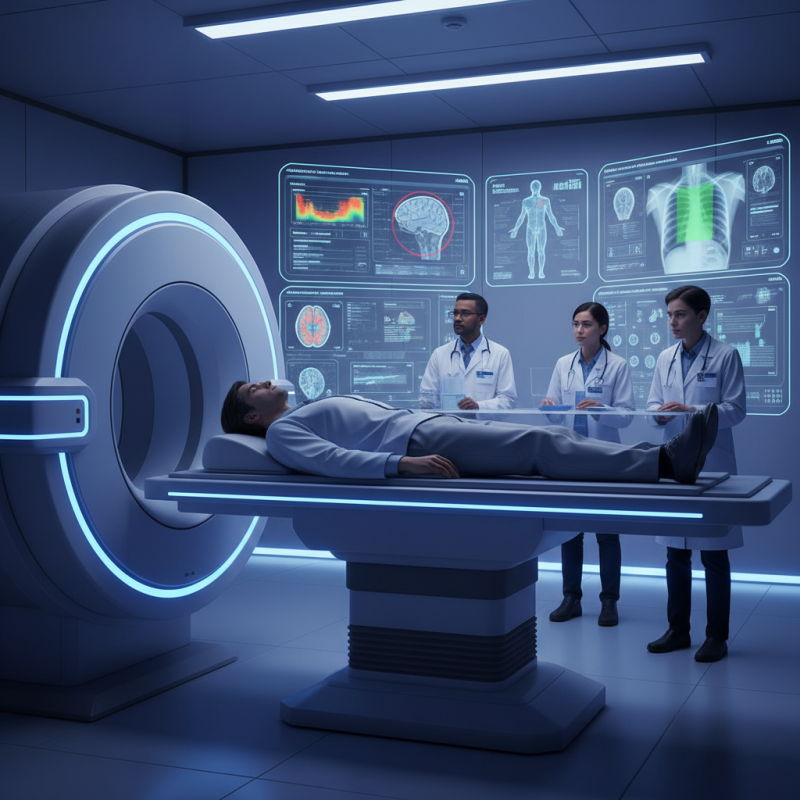
AI Vision Enhancing Patient Safety in Medical Imaging?

The Role of AI Vision in Enhancing Accuracy of Medical Imaging Diagnostics

AI vision is becoming increasingly vital in the medical imaging field. Research shows that AI algorithms can enhance diagnostic accuracy in radiology by up to 20%. This improvement stems from AI's ability to analyze vast amounts of imaging data quickly. When radiologists are supported by AI tools, error rates in detecting conditions such as lung cancer and brain tumors can decrease significantly.

However, the integration of AI is not without its challenges. In a study published by the Radiological Society of North America, about 30% of radiologists expressed concerns about over-reliance on AI. They noted the risk of missing subtle signs in images that AI might overlook. Moreover, the interpretability of AI decisions remains a critical issue. Radiologists must understand how AI reaches conclusions to trust its recommendations fully.

Furthermore, while AI can improve efficiency, the human element is still crucial. Diagnosing complex conditions often requires a nuanced approach that machines cannot replicate. Reports indicate that the most effective medical imaging diagnoses result from collaboration between AI and experienced professionals. This synergy is essential for optimizing patient outcomes in an increasingly data-driven environment.

Impact of AI Vision on Diagnostic Accuracy in Medical Imaging

Impact of AI on Reducing Diagnostic Errors in Radiology

AI has emerged as a transformative tool in radiology. Its application in medical imaging holds great potential for reducing diagnostic errors. For instance, algorithms can quickly analyze images, detecting anomalies that might be missed by human eyes. This capability is crucial for conditions such as tumors or fractures, where timely intervention can significantly affect patient outcomes.

Despite these advancements, challenges remain. Algorithms may struggle with variations in image quality or patient demographics. Occasionally, the system may flag false positives, leading to unnecessary stress for patients and healthcare providers. The trust between radiologists and AI tools is essential, as reliance on technology may lead to complacency in human assessment. Balancing AI’s efficiency with human expertise is vital for fostering a reliable diagnostic environment.

In some cases, implementing AI systems can also introduce workflow inefficiencies. If not properly integrated, these technologies can disrupt established practices. Training radiologists to work alongside AI while retaining their critical thinking skills is imperative. Future solutions must emphasize clarity and adaptability, ensuring that AI genuinely enhances diagnostic capabilities without sidelining the invaluable role of healthcare professionals.

Analysis of Workflow Improvement through AI in Medical Imaging Departments

Artificial Intelligence (AI) is increasingly transforming medical imaging workflows. According to a 2022 study by the American College of Radiology, AI can potentially reduce the time radiologists spend on image review by 30%. This improvement allows professionals to focus more on patient interaction and diagnosis accuracy. Enhanced workflow efficiency can directly impact patient safety, ensuring critical findings are not overlooked.


While the benefits are clear, challenges remain. AI algorithms can misinterpret images, leading to false negatives or excessive false alarms. A recent report indicated that 15% of AI-assisted diagnoses require human verification. This creates a need for continuous oversight and training for radiologists. Workflow integration of AI must address these concerns to maximize safety without compromising quality of care.


Additionally, the adaptation of AI tools requires changes in department culture. Staff members may resist technology that alters their traditional roles. Training programs must be tailored to ease this transition. Engaging medical professionals in the process helps ensure that AI is seen as an ally rather than a threat. Creating a collaborative environment will ultimately drive better patient outcomes in medical imaging.

Statistical Evidence Supporting AI's Contribution to Patient Safety Metrics

Artificial intelligence (AI) is making significant strides in enhancing patient safety in medical imaging. Recent studies show that AI can improve the accuracy of diagnoses, reducing errors in image interpretation. This technology identifies subtle patterns that might escape human observers, leading to earlier interventions and better patient outcomes. Statistical evidence suggests that clinics using AI-assisted imaging report a reduction in misdiagnoses and enhanced overall care.

To leverage AI effectively, healthcare professionals must stay updated on the latest advancements. Understanding how AI algorithms work can help clinicians make informed decisions in conjunction with their expertise. Regular training sessions can empower staff to embrace these tools confidently while also recognizing their limitations. AI is not infallible; therefore, human oversight remains critical.

It's also important to critically assess the data supporting AI tools. Not all AI applications are created equal. Some may not be well-validated across diverse patient populations. This raises important questions about reliability and accuracy in varied clinical contexts. Practicing caution in adopting these technologies is essential for ensuring patient safety and fostering trust in AI systems.

Future Trends in AI Technology and Its Potential in Healthcare Imaging

Artificial intelligence (AI) is shaping the future of medical imaging. Its potential to enhance patient safety is notable. AI can analyze images faster and more accurately than humans. Errors in interpretation can be drastically reduced. This accuracy leads to earlier detection of diseases, which is crucial for effective treatment. However, reliance on AI systems raises concerns. Are these systems foolproof? They may sometimes provide incorrect results.

As AI technology evolves, its integration into healthcare imaging continues to grow. Machine learning algorithms now assist radiologists daily. They highlight areas of concern in imaging studies, helping to prioritize cases. Yet, the results depend on the quality of the data used to train these systems. Data bias can lead to misdiagnoses.

Tips: Always cross-check AI findings with qualified healthcare professionals. Regular training on AI tools is essential for radiologists. Staying informed about updates in AI technology can enhance understanding. Engaging in discussions with peers about AI limitations can foster a more cautious approach. These steps encourage a balanced perspective amidst increasing reliance on technology.

AI Vision Enhancing Patient Safety in Medical Imaging

Feature Current Status Future Potential Impact on Patient Safety
Image Analysis Accuracy High Improved algorithms with deep learning Reduces misdiagnosis
Real-time Analysis Emerging Mobile and wearable tech integration Faster treatment decisions
Predictive Analytics Limited Integration with EHRs Proactive patient care
Consistency in Reporting Moderate Standardization protocols Enhanced reliability of results
Automated Reporting In Development Full-scale implementation Streamlined communication

FAQS

: How does

I improve patient safety in medical imaging?

What is a critical aspect healthcare professionals must consider when using AI?

Clinicians need to understand AI algorithms and stay current on technological advancements.

Are AI systems in healthcare always reliable?

No, AI systems can sometimes produce incorrect results, so human oversight is crucial.

How can healthcare staff be better equipped to use AI tools?

Regular training sessions can help staff confidently embrace AI while recognizing its limitations.

What should one critically assess when evaluating AI tools?

It's vital to assess the validity of the data backing AI applications across diverse patient groups.

How does data quality affect AI performance?

Poor data quality can lead to bias and misdiagnoses, impacting patient care.

What is a recommended practice when using AI findings?

Always cross-check AI results with qualified healthcare professionals to ensure accuracy.

How can discussions about AI limitations affect its use in healthcare?

Engaging in discussions can promote a cautious approach and a balanced understanding of technology's role.

Why is it important to stay informed about AI advancements?

Staying updated enhances understanding and encourages the effective use of AI in medical imaging.

Conclusion

The article "AI Vision Enhancing Patient Safety in Medical Imaging?" explores the significant role of artificial intelligence in improving the accuracy and reliability of medical imaging diagnostics. It highlights how AI technology aids in the detection of anomalies, thereby reducing diagnostic errors in radiology. The integration of AI into imaging departments is further analyzed, showcasing its capacity to streamline workflows and enhance efficiency.

Statistical evidence underscores AI's positive impact on patient safety metrics, emphasizing its ability to monitor patient safety during imaging. As the field of healthcare imaging continues to evolve, the article also discusses future trends in AI technology and its potential implications for further improving patient care and safety. Overall, the advancements in AI vision not only promise enhanced diagnostic capabilities but also serve as a vital tool in ensuring patient safety throughout the imaging process.

Madeline

Madeline

Madeline is a dedicated marketing professional with a wealth of expertise in our company's core offerings. With a keen understanding of the industry, she brings a unique perspective to her role, consistently delivering high-quality content that highlights the superior aspects of our products. As......