Aert Medical Aert Medical

What Makes a Computing Platform Medical Grade for Ambulances?

Time:2026-05-22 Author:Sophia
0%

In modern emergency medical services, technology plays a critical role. When considering ambulances, the computing platforms used must meet stringent standards. These standards ensure that devices can handle high-pressure situations effectively. A question arises: What makes a computing platform "medical-grade" for ambulances?

The definition of a medical-grade system goes beyond just functionality. It includes reliability, real-time data processing, and compliance with health regulations. These platforms must not fail under stress. They need to integrate seamlessly with other hospital systems. A patchy connection could lead to miscommunication during emergencies. Furthermore, the design must prioritize user experience for paramedics. Cluttered interfaces can create confusion in critical moments.

Determining what makes a computing platform medical-grade involves assessing various aspects. Not everything billed as medical-grade meets all necessary criteria. There is a need for ongoing evaluation and improvement. As such, experts continually analyze these systems to ensure patient safety. Ensuring that all devices in ambulances are up to standard is an ongoing challenge that requires vigilance and refinement.
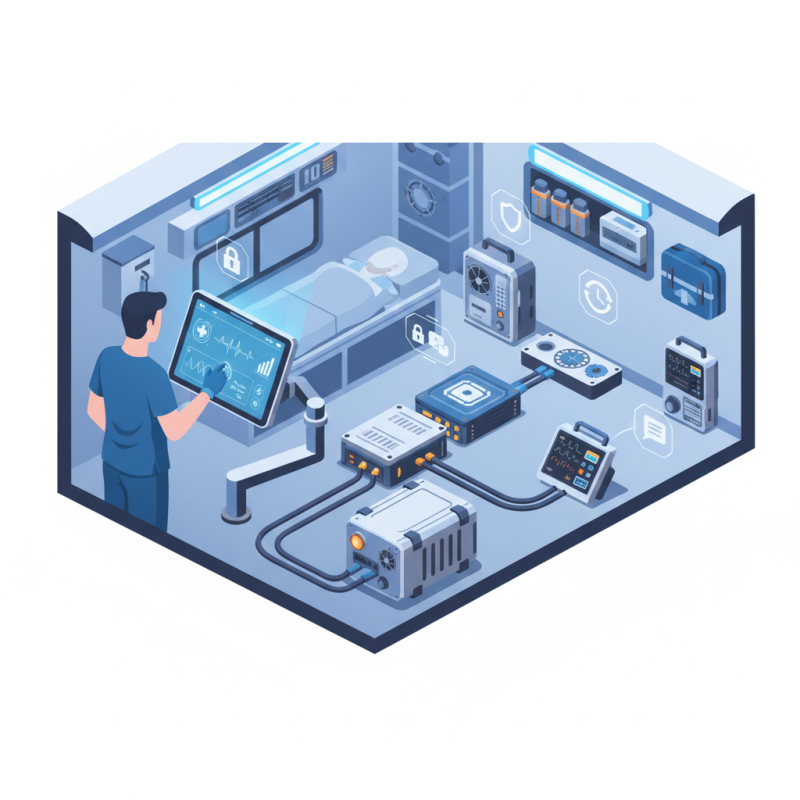
What Makes a Computing Platform Medical Grade for Ambulances?

Key Characteristics of Medical Grade Computing Platforms

In emergency medical services, computing platforms must meet stringent standards. Medical-grade systems are designed for reliability under pressure. Data shows that around 15% of critical medical failures arise from software or hardware issues. Ensuring that platforms operate seamlessly is crucial for patient care.

Key characteristics of medical-grade computing platforms include ruggedness and reliability. These systems often meet specific military and aerospace standards. They function well in extreme temperatures and high humidity. For instance, testing shows that systems can endure vibrations of up to 5g without failure. This durability is essential in an ambulance environment, where every second counts.

Tip: Always evaluate the certifications of computing platforms before integrating them.

Another essential feature is data security. Medical-grade systems must comply with regulations like HIPAA. They protect sensitive patient information from breaches. Studies indicate that nearly 25% of health providers experienced cybersecurity incidents last year. Implementing robust encryption and access controls is not just advisable; it’s necessary.

Tip: Regularly update software to mitigate vulnerability risks.

In considering these characteristics, it's clear that maintaining high standards is indeed challenging. Even small oversights can lead to significant consequences. Thus, continuous evaluation and testing of these systems are essential.

Regulatory Standards for Ambulance Computing Systems

Ambulance computing systems must adhere to stringent regulatory standards to ensure patient safety and effective care. Various regulations guide the development and deployment of these systems, often emphasizing reliability, data security, and real-time capabilities. For instance, the FDA has specific classifications that define the requirements for medical devices, including software used in emergency services.

Recent studies indicate that nearly 70% of ambulance services rely on advanced computing platforms for critical decision-making. These platforms must comply with ISO 13485, which sets the framework for quality management systems. A lapse in meeting these standards can lead to dire consequences. An incident in 2021 underscored this, where a software failure delayed patient data transmission, affecting treatment timelines.

To meet these challenges, developers are encouraged to conduct thorough testing and validation of their systems. Regular audits are essential to ensure compliance with regulatory standards. However, many organizations struggle with the complexity of these guidelines. Continuous training and updating protocols are vital but often underfunded, leaving gaps in adherence. Addressing these shortcomings is crucial for the advancement of ambulance computing systems and overall emergency medical response.

Essential Hardware Specifications for Medical Applications

When selecting a computing platform for ambulances, hardware specifications become crucial. These platforms must endure high-stress environments. They should show resistance to vibrations, sudden temperature changes, and moisture. Features like rugged casing are just the beginning. Components must also be fail-safe and reliable in emergency situations.

Robust processing power is essential. A platform needs a capable CPU to run medical applications smoothly. Memory and storage should be ample, allowing for quick data retrieval. Connectivity options are vital too. Integrated wireless capabilities are necessary for real-time communication with hospitals. These connectivity tools help in transferring critical patient data.

Despite the growing technology, challenges exist. Not all platforms meet the strict standards required by medical applications. Some may lack necessary certifications. Others might struggle with real-time data processing. Evaluating these factors can be overwhelming. The right choice can become clearer with careful consideration and experience in medical-grade technology.

Software Requirements for Reliable Medical Data Processing

The reliability of medical data processing is crucial in ambulances. Accurate and timely data can be life-saving. The software used must meet specific medical grade requirements. According to the American College of Emergency Physicians, software failure rates can reach up to 30% under high-stress conditions. Thus, understanding software requirements becomes essential for safety.

A robust computing platform should support real-time data analytics. Features such as data encryption and secure transmission are key. The platform must comply with health regulations like HIPAA for patient data protection. Erratic internet connections in ambulances demand offline data storage capabilities. Regular updates and performance checks help ensure software reliability.

**Tips:** Ensure your software allows seamless updates without downtime. Conduct stress tests simulating high-demand scenarios to identify potential flaws. Involve medical professionals in the software development process to address practical needs. These actions can enhance the reliability of the system and improve patient outcomes.

What Makes a Computing Platform Medical Grade for Ambulances? - Software Requirements for Reliable Medical Data Processing

Feature Description Importance Regulatory Compliance
Data Encryption Ensures confidentiality and integrity of sensitive medical data. High HIPAA, GDPR
Real-Time Data Processing Processes patient data in real time for immediate decision-making. Critical N/A
System Redundancy Backup systems to ensure continuous operation during failures. High ISO 13485
User Authentication Verifies the identity of users accessing the system. Essential HIPAA
Audit Trails Keeps a record of all system access and changes made to data. Important HIPAA
Interoperability Standards Ensures compatibility with various medical devices and systems. High HL7, FHIR

Integration Challenges in Emergency Medical Services Systems

In emergency medical services, the gap in integrating technology can be critical. Systems in ambulances must connect seamlessly with hospitals and dispatch. However, achieving this integration poses numerous challenges. According to a report by the National EMS Advisory Council, nearly 70% of EMS providers struggle with outdated technology that hinders communication. This impacts patient outcomes directly.

Many EMS systems lack the proper infrastructure to share real-time data. For instance, when paramedics administer critical care, it’s vital to relay that information while en route. Yet, fragmented systems often cause delays in data transmission. The Center for Disease Control and Prevention notes that timely data sharing can improve trauma care efficiency by 20%. However, overcoming integration barriers requires significant investment in software upgrades and staff training.

Interoperability remains a pressing issue. Different software systems often do not communicate effectively. This complicates the exchange of essential medical information between teams. As a result, patient care may suffer. While specialized training can enhance system usability, it’s not a silver bullet. Organizations must reflect on the balance between technology implementation and team readiness.

FAQS

: What are the key characteristics of medical-grade computing platforms?

: Medical-grade platforms are rugged, reliable, and built to endure extreme conditions. They meet strict military standards.

How do these systems ensure data security?

They comply with regulations like HIPAA and use robust encryption to protect patient information from breaches.

Why is regular software updating necessary?

Regular updates help mitigate risks associated with vulnerabilities and improve overall system security.

What hardware features are essential for medical applications?

Key features include a powerful CPU, ample memory, and rugged casing to withstand high-stress environments.

What challenges exist in integrating technology for EMS?

Many EMS providers struggle with outdated systems that hinder real-time communication among ambulance crews and hospitals.

How does delayed data transmission affect patient care?

Fragmented systems can slow down the sharing of critical patient information, leading to serious impacts on care quality.

Why is interoperability an important issue?

Different software systems may not communicate efficiently, complicating essential medical information exchange between teams.

What investments are required to overcome integration barriers?

Organizations need to invest in software upgrades and staff training to improve communication and data sharing capabilities.

How can small oversights impact medical computing platforms?

Even minor mistakes in management can lead to significant failures, impacting patient safety and care outcomes.

Why is it overwhelming to evaluate medical-grade technology?

With numerous factors including certifications and real-time data processing, selecting the right platform can be complex and challenging.

Conclusion

In today's rapidly evolving emergency medical services, the question "What makes a computing platform 'medical-grade' for ambulances?" is pivotal. A medical-grade computing platform must exhibit key characteristics such as robustness, reliability, and compliance with stringent regulatory standards specifically tailored for ambulance systems. These platforms should be designed to withstand the unique challenges faced in pre-hospital environments, ensuring uninterrupted operations under various conditions.

To achieve this, essential hardware specifications, including durability, processing power, and connectivity options, must be met. Additionally, the software requirements for these platforms are critical; they should facilitate reliable medical data processing to support healthcare professionals in emergencies. Integration challenges often arise when these systems are implemented within existing emergency medical services frameworks, necessitating a seamless interoperability that enhances response times and patient care. Overall, a medical-grade computing platform is fundamental to enhancing the effectiveness and reliability of ambulance services.

Sophia

Sophia

Sophia is a dedicated marketing professional with an exceptional depth of knowledge about her company's products and services. With a keen understanding of market trends and customer needs, she crafts insightful blog posts that not only inform but also engage readers, enriching the company’s online......