Aert Medical Aert Medical

How to Ensure High Speed Data Transmission for Telemedicine?

Time:2026-06-04 Author:Oliver
0%

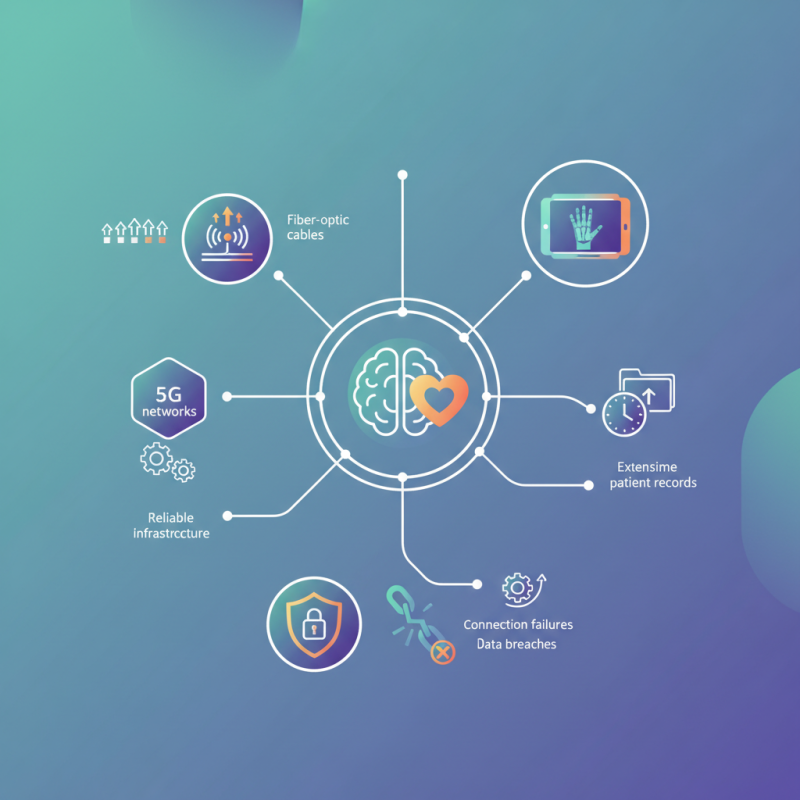
In today's digital age, telemedicine is transforming healthcare. Patients expect seamless communication with their providers. However, the backbone of this interaction lies in data transmission speed. This raises one crucial question: How to ensure high-speed data transmission for telemedicine? High-speed connections are necessary for sharing medical images, real-time consultations, and extensive patient records.

Ensuring speed in data transmission requires a combination of reliable infrastructure and the latest technologies. Fiber-optic cables and 5G networks can elevate connection speeds significantly. Yet, these solutions come with challenges like high costs and technical limitations. Therefore, it’s essential for healthcare providers to assess local capabilities and infrastructure availability.

Telemedicine has immense potential, but it is not without problems. Data breaches and connection failures could jeopardize patient outcomes. Healthcare systems need to address these vulnerabilities while ensuring reliable high-speed data transmission. The focus must remain on improving quality while being mindful of the inherent challenges. As telemedicine continues to evolve, addressing these issues becomes critical for its success.
How to Ensure High Speed Data Transmission for Telemedicine?

Key Factors Influencing High-Speed Data Transmission in Telemedicine

In telemedicine, high-speed data transmission is essential for effective patient care. Key factors that influence this transmission include bandwidth, latency, and network reliability. Bandwidth determines the amount of data that can be sent at once. A higher bandwidth allows for real-time video consultations and the transfer of large medical files. However, not all healthcare facilities have access to sufficient bandwidth.

Latency is another critical element. Low latency ensures that data travels quickly between devices, reducing delays during appointments. High latency can disrupt communication, leading to misunderstandings. Network reliability also plays a significant role. A stable connection is crucial to maintain ongoing telemedicine services. Frequent disconnections can result in patients seeking alternative care methods.

Healthcare providers must also consider the infrastructure supporting telemedicine efforts. Many areas still lack strong internet connections. Investing in robust networks is vital but might not be feasible in every location. As telemedicine continues to evolve, the importance of addressing these factors becomes increasingly apparent. Enhancing data transmission quality could bridge the gap in healthcare access, although challenges remain.

Understanding Bandwidth Requirements for Telemedicine Applications

High-speed data transmission is crucial for telemedicine. As more healthcare providers adopt virtual consultations, understanding bandwidth requirements becomes essential. Video calls, data sharing, and remote monitoring all demand stable connections. Each application has specific bandwidth needs that can affect performance.

Tip: Assess your existing internet speed. Use tools to measure your upload and download speeds. Ensure they meet the minimum requirements for telemedicine. A stable connection typically requires at least 1.5 Mbps for standard video calls. High-definition video may need more, around 3-5 Mbps.

Bandwidth is often overestimated. Providers may struggle with latency or interruptions. Understanding your actual usage is vital. For example, multiple devices accessing the network simultaneously can degrade performance.

Tip: Limit background applications during telehealth sessions. Encourage users to close unnecessary programs. This simple step can enhance connection stability. Additionally, consider using wired connections for reliability over Wi-Fi.

Role of Network Latency in Real-Time Telemedicine Services

Network latency plays a crucial role in real-time telemedicine services. High latency can cause delays in video feeds, making consultations frustrating. Patients may feel anxious when they cannot see or hear their healthcare provider promptly. This delay can affect diagnosis and treatment, highlighting the need for efficient data transmission.

To minimize latency, optimize your network. Use a dedicated connection for telemedicine purposes. Ensure that your bandwidth is sufficient to handle video and audio streams. Employ Quality of Service (QoS) settings to prioritize telemedicine traffic over other network activities. This can help to maintain a stable connection, even during peak times.

Regularly test your network speed. Check for any sources of interference, such as outdated equipment or excessive connected devices. A reliable connection can reduce stress on both patients and providers. Consider using wired connections whenever possible, as they typically offer lower latency than wireless. Efficiency is key, but it’s also essential to recognize that not every situation will be perfect. Be prepared for occasional hiccups that may occur during a telemedicine session.

The Impact of 5G Technology on Telehealth Data Transmission

The rise of 5G technology dramatically alters telehealth data transmission. With speeds reaching up to 10 Gbps, healthcare providers can now access real-time patient data more efficiently. A recent report from the International Telecommunication Union indicated that 5G could reduce latency to as low as 1 millisecond. This quick connection is vital for remote surgeries and high-definition video consultations.

However, the implementation of 5G in telemedicine is not without challenges. Coverage inconsistency remains a concern in rural areas, where reliable internet access is crucial. According to a study by the U.S. Federal Communications Commission, approximately 21 million Americans lack adequate broadband service. This gap can hinder telemedicine's effectiveness, particularly for those who most need it.

In addition, a lack of standardization in 5G applications could lead to data privacy issues. As more devices connect to the internet, the risk of cyberattacks increases. A 2021 cybersecurity report highlighted that 70% of healthcare organizations experienced some form of data breach. Addressing these vulnerabilities is essential as telehealth services expand with 5G technology.

How to Ensure High Speed Data Transmission for Telemedicine? - The Impact of 5G Technology on Telehealth Data Transmission

Dimension Details Impact of 5G
Data Transmission Speed Up to 10 Gbps Enables high-quality video calls and rapid data sharing
Latency As low as 1 ms Reduces lag in remote consultations and real-time diagnostics
Network Capacity Supports up to 1 million devices per square kilometer Facilitates widespread use of connected health devices
Power Efficiency Improved energy management Extends battery life of mobile devices used in telemedicine
Security Enhancements Advanced encryption and secure access Promotes patient privacy and data protection in telehealth

Best Practices for Securing High-Speed Connections in Telemedicine

In telemedicine, ensuring high-speed data transmission is vital for effective patient care. The integration of high-speed internet allows real-time consultations and remote monitoring. However, this reliance on connectivity raises concerns about data security. Studies show that 70% of healthcare organizations have experienced a data breach in the last two years. Such statistics underscore the importance of securing these connections.

Implementing encryption protocols is essential for safeguarding sensitive patient data. End-to-end encryption helps prevent unauthorized access during data transmission. This practice has been shown to reduce patients' risk of identity theft by 41%. Regularly updating software and hardware also plays a critical role. Cybercriminals exploit outdated systems. More than 60% of healthcare providers still use vulnerable software, putting patient data at risk.

Investing in secure Virtual Private Networks (VPNs) can mitigate threats. A good VPN masks user IP addresses, providing an additional layer of security. Telehealth providers should also educate their staff about security practices. Failure to address staff awareness can lead to human error, which is responsible for 95% of data breaches. These considerations are essential for maintaining a secure telehealth environment.

FAQS

: What is the importance of high-speed data transmission in telemedicine?

: High-speed data transmission is crucial for effective patient care and real-time consultations.

How does bandwidth affect telemedicine?

Bandwidth determines the amount of data transmitted. Higher bandwidth allows for better video quality and quick file transfers.

What is considered low latency in telemedicine?

Low latency ensures quick data transmission, reducing delays during appointments. High latency can disrupt communication.

Why is network reliability vital in telemedicine?

A stable connection is necessary for ongoing services. Frequent disconnections can lead to patients seeking alternative care.

How can healthcare providers assess bandwidth needs?

They should measure existing internet speeds. Ensure speeds meet minimum requirements, like 1.5 Mbps for standard video calls.

What challenges do providers face regarding bandwidth?

Bandwidth is often overestimated. Many providers experience latency or disruptions due to multiple devices accessing the network.

How can users improve their telehealth session quality?

Limit background applications. Close unnecessary programs to enhance connection stability during sessions.

Why is infrastructure important for telemedicine?

Many areas lack strong internet connections. Robust networks are essential, but not always feasible in all locations.

How can users ensure a stable telemedicine connection?

Consider using wired connections for reliable service over Wi-Fi. This can reduce interruptions during consultations.

What should be noted about bandwidth needs for different applications?

Different applications have unique bandwidth requirements. Video calls need 1.5 to 5 Mbps, depending on video quality.

Conclusion

In the realm of telemedicine, ensuring high-speed data transmission is critical for effective patient care and real-time communication between healthcare providers and patients. To address the question of "How to ensure high-speed data transmission for telemedicine?", it is essential to consider several key factors such as bandwidth requirements, which vary based on the type of applications used, and the role of network latency, which can significantly affect the responsiveness of telemedicine services.

Furthermore, the advent of 5G technology promises to enhance data transmission speeds and reduce latency, making it easier to conduct high-quality virtual consultations and remote monitoring. Best practices for securing these high-speed connections also play a vital role, as safeguarding sensitive patient information is paramount in telehealth environments. By understanding these elements, healthcare providers can better implement strategies to achieve efficient and secure data transmission, ultimately improving the quality of care delivered through telemedicine.

Oliver

Oliver

Oliver is a seasoned marketing professional with a wealth of expertise in driving brand awareness and engagement. With a deep understanding of our company's product offerings, he consistently delivers high-quality content that enriches our professional blog. His insights not only shed light on......