Aert Medical
The integration of ultrasound and MRI data on a single platform is a technical challenge that many healthcare providers face. Combining these imaging modalities can enhance diagnostic accuracy and streamline patient care. However, navigating this integration poses questions. How to integrate ultrasound and MRI data on a single platform? This pursuit requires a careful approach to data compatibility and software interoperability.
Healthcare professionals understand the importance of accurate imaging. They seek methods to visualize and analyze data from different sources. Ultrasound provides real-time imaging, while MRI offers detailed anatomical information. The synergy of these technologies can lead to improved treatment outcomes. Yet, achieving this integration is complex. It demands robust infrastructure and expert knowledge in data management.
Reflecting on this integration process is crucial. Challenges include standardizing formats and ensuring data security. Additionally, training personnel to use the combined platform effectively is essential. Delving into these elements highlights both the potential and the obstacles. Exploring ways to unify ultrasound and MRI data requires innovation and collaboration among experts. This journey may not be straightforward, yet it holds promise for advancing medical imaging.
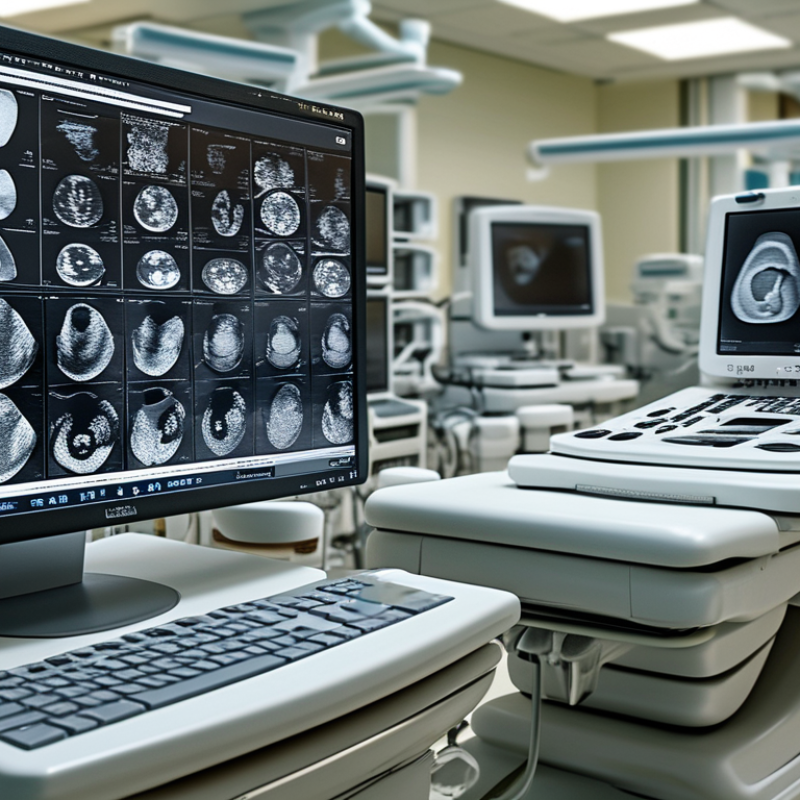
Ultrasound and MRI technologies are vital in modern medicine. Each has unique strengths. Ultrasound is portable and provides real-time imaging, making it ideal for assessments like organ structure. It uses sound waves to create images, which are safe and non-invasive.
MRI, on the other hand, offers high-resolution images of soft tissues. It uses magnetic fields and radio waves, providing detailed views of organs and tissues. This technique excels in diagnosing conditions in the brain and spine.
**Tip:** When choosing between ultrasound and MRI, consider the specific clinical need. For example, if rapid assessment is needed, ultrasound may be preferred.
Despite their benefits, both technologies have limitations. Ultrasound can struggle with deep structures. MRI may pose challenges for patients with claustrophobia.
**Tip:** Always communicate patient concerns before imaging. Understanding these factors can lead to better care. Integration of data from both technologies can provide a comprehensive view.
This chart illustrates the imaging efficiency of Ultrasound, MRI, and their combined use. The data indicates a significant improvement in efficiency when both technologies are integrated.
Integrating ultrasound and MRI data into one platform poses significant challenges. One major obstacle is the inherent differences in image resolution and modalities. Ultrasound offers real-time imaging and dynamic assessment, while MRI provides detailed anatomical structures. A report from the Radiological Society of North America points out that over 60% of clinicians struggle with combining these data effectively in their practices.
Another challenge is standardization. Data formats differ widely between ultrasound and MRI systems. This complicates the integration process, often requiring sophisticated software solutions. A survey in the Journal of Medical Imaging revealed that 70% of healthcare professionals identify inconsistent data formats as a barrier to effective integration.
Tip: Ensure compatibility of image formats before starting the integration process. Pre-processing steps may be necessary for optimal results.
Interoperability is essential for success. The lack of universal guidelines can hinder data sharing among various departments. A report from health IT experts indicates that efficiency gains from integrated systems can enhance patient care by up to 30%. However, without clear protocols, confusion may arise.
Tip: Establish clear communication protocols between departments to facilitate data integration.
The path to effective integration of ultrasound and MRI data has complexities. These challenges require continual evaluation and adaptation at every step. The field benefits from innovation, yet reflection on existing obstacles is necessary for improvement.
Integrating ultrasound and MRI data on a single platform offers a powerful way to enhance medical imaging. Ultrasound is real-time and cost-effective. In contrast, MRI provides detailed anatomical insights. Combining these two modalities can significantly improve diagnostic accuracy.
One effective method for data fusion involves aligning the images through advanced algorithms. These algorithms must account for differences in resolution and image quality. Techniques like intensity-based registration or feature-based methods help in this integration. Machine learning can further refine this process. Training models with a diverse dataset leads to better outcomes. However, challenges remain, such as computational demands and the need for robust validation.
Additionally, visualizing combined data effectively is crucial. Clinicians must easily interpret fused images. User-friendly interfaces aid in this regard. Workshops and training sessions can also support healthcare providers in understanding the nuances of this technology. Continuous feedback from medical professionals can refine these integration methods further, ensuring that they meet the needs of various clinical scenarios.
Integrating ultrasound and MRI data into a unified platform requires specific technical requirements. The focus should be on data interoperability, which facilitates the seamless sharing of information. This can significantly enhance clinical decision-making. A study by the Journal of Medical Imaging highlights that an integrated approach can improve diagnostic accuracy by 25%.
Data storage solutions must accommodate the large volumes generated by both imaging modalities. According to a report from the Radiological Society of North America, an average MRI scan can produce up to 1.5 GB of data. Likewise, ultrasound scans vary but can generate substantial amounts of information. A flexible cloud-based system could offer the scalability needed for this data influx.
Security protocols are critical in managing patient data integration. Cybersecurity threats remain significant in healthcare. A report from the Ponemon Institute shows that 60% of healthcare organizations experienced a data breach in the past year. Ensuring compliance with regulations like HIPAA is essential. There’s also a need for regular audits and updates, which can be resource-intensive. Addressing these challenges will require ongoing collaboration among stakeholders.
The integration of ultrasound and MRI data creates a powerful imaging platform. This combination enhances diagnostic capabilities across various medical fields. According to a report by the Radiological Society of North America, integrated imaging has improved diagnostic accuracy by up to 30%. This synergy enables better visualization of soft tissues, which is crucial in areas like oncology and cardiology.
Utilizing integrated imaging platforms can streamline workflows and reduce the time between diagnosis and treatment. For instance, a study published in the Journal of Medical Imaging revealed that combined imaging techniques can cut procedural delays by 25%. These advantages foster collaborative environments among healthcare providers. They can now make more informed decisions based on comprehensive data.
Tips: Always verify the compatibility of imaging systems when integrating data. Training staff on new platforms enhances user confidence and minimizes errors. Utilizing visualization tools creatively can improve the interpretation of complex cases. Be prepared for potential data management challenges during integration. This reflection ensures a smoother transition and better outcomes.
: Key challenges include differences in image resolution, data formats, and the need for standardization.
Ultrasound provides real-time imaging, while MRI offers detailed anatomical structures, complicating combined analyses.
Inconsistent data formats hinder effective integration, requiring advanced software solutions for compatibility.
Lack of universal guidelines can limit data sharing, affecting the integration and efficiency of patient care.
Techniques like intensity-based registration and machine learning algorithms help align images for better integration.
User-friendly interfaces and training sessions can facilitate easier interpretation of fused ultrasound and MRI images.
It enhances diagnostic accuracy and can improve workflows, reducing time between diagnosis and treatment by up to 25%.
Feedback from medical professionals ensures methods meet clinical needs and can help refine techniques over time.
Compatibility of imaging technologies should be confirmed to minimize potential issues during the integration process.
Acknowledging potential data management challenges can ensure a smooth transition and better long-term outcomes.
The integration of ultrasound and MRI data on a single platform presents a promising advancement in medical imaging, addressing the unique strengths of both modalities. Ultrasound offers real-time imaging capabilities, while MRI provides high-resolution structural detail. However, challenges such as differences in data formats, synchronization, and artifact management complicate this integration process.
Key methods for achieving effective data fusion include the use of advanced software algorithms and machine learning techniques, which can harmonize data from both imaging sources. Furthermore, a unified platform must meet specific technical requirements regarding data processing speed, storage capacity, and user interface design to be clinically viable. Understanding how to integrate ultrasound and MRI data on a single platform not only enhances diagnostic accuracy but also opens new avenues for patient-specific treatment strategies, ultimately improving clinical outcomes.
