Aert Medical Aert Medical

Top 10 Latest Trends in Point of Care Magnetic Resonance?

Time:2026-06-24 Author:Madeline
0%

Point-of-care magnetic resonance (MR) imaging is revolutionizing medical diagnostics. It offers rapid, accurate assessments in diverse settings. This innovation is changing how healthcare professionals approach patient care.

What are the latest trends in point-of-care magnetic resonance? Recently, there have been significant advancements. Compact machines have become more prevalent. These devices can efficiently deliver high-quality imaging. Moreover, enhanced software algorithms improve interpretation speed and accuracy.

Another trend is the integration of artificial intelligence. AI enhances image analysis and reduces human error. Healthcare providers are embracing remote access to MR data. This allows specialists to consult quickly, even from afar. However, as with any technology, challenges remain. Ensuring data security and training staff are crucial for effective implementation. The future of point-of-care MR holds immense promise but requires careful consideration of these aspects.
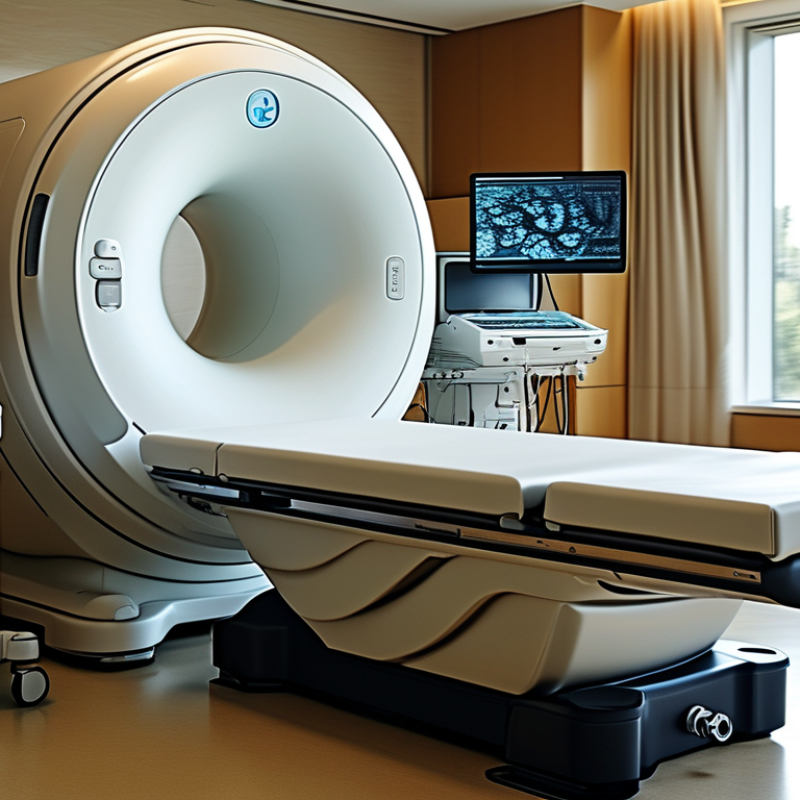
Top 10 Latest Trends in Point of Care Magnetic Resonance?

Emergence of Portable MRI Systems in Point of Care Settings

The emergence of portable MRI systems marks a significant milestone in point of care settings. These compact devices offer new possibilities for rapid diagnosis. They can be easily transported to various locations, including emergency rooms and outpatient facilities. This mobility enables healthcare providers to perform MRI scans without requiring patients to move to large imaging centers.

While portable MRI systems are innovative, challenges remain. Image quality may not always match traditional MRI machines. There can be limitations in resolution and diagnostic capabilities. Healthcare professionals must weigh these factors when considering portable systems. Consistent training and experience with these devices are essential for accurate results.

Integration into clinical workflows presents another consideration. Staff may need to adjust to new procedures and protocols. This transition could be initially disruptive and requires careful planning. As technology evolves, so too must our strategies in utilizing these powerful tools effectively. Continuous evaluation and feedback will be vital as portable MRIs become commonplace in point of care environments.

Top 10 Latest Trends in Point of Care Magnetic Resonance

Integration of Artificial Intelligence for Enhanced Imaging Analysis

The integration of artificial intelligence (AI) in point-of-care magnetic resonance imaging is revolutionizing the field. AI algorithms enhance image analysis, ensuring quicker diagnosis and improved accuracy. According to a recent report, the global AI in medical imaging market is expected to grow at a CAGR of 30% from 2023 to 2030. This surge reflects a strong industry shift toward leveraging technology for better imaging solutions.

AI systems analyze MRI scans rapidly, highlighting abnormalities in real-time. Radiologists can receive alerts about critical findings, potentially improving patient outcomes. Studies show that AI can increase detection rates of certain conditions by up to 20%. However, challenges remain. The reliability of AI outputs depends on the quality of training data. Inconsistent data may lead to false positives or negatives, requiring critical oversight from healthcare professionals.

Adoption of AI in magnetic resonance does not come without concerns. Ethical implications, data privacy, and the need for regulatory compliance are significant issues. Stakeholders must reflect on these complexities, balancing innovation with patient safety. As AI continues to advance, ongoing education and collaboration between technologists and medical practitioners are essential for ensuring its effective implementation in clinical settings.

Advancements in MRI Contrast Agents for Immediate Diagnosis

Recent advancements in MRI contrast agents have revolutionized point-of-care diagnostics. These innovations not only enhance imaging quality but also speed up diagnosis. A study by Market Research Future reported a projected growth of the MRI contrast agent market, estimating it will reach $5.2 billion by 2025. This spike underscores the increasing dependence on quick, reliable imaging in medical settings.

New contrast agents are designed for improved safety and efficacy. Agents that are biocompatible minimize the risk of adverse reactions. However, some studies indicate that there is still a risk of nephrogenic systemic fibrosis in patients with kidney issues. Clinicians must weigh the benefits against potential complications. Additionally, ongoing research into gadolinium-free agents shows promise but lacks extensive clinical validation.

MRI now can often be completed in less than 30 minutes due to quick-acting contrast agents. This significantly reduces patient wait times. However, limitations in availability and access remain crucial issues, especially in under-resourced areas. Addressing these challenges is essential for maximizing the potential of MRI technology in immediate diagnosis.

Development of User-Friendly Interfaces for Healthcare Professionals

As healthcare continues to evolve, user-friendly interfaces for point of care magnetic resonance are becoming essential. These interfaces must be intuitive, allowing healthcare professionals to retrieve imaging data efficiently. In a high-pressure environment, simplicity is crucial. A clear display can reduce the time spent maneuvering through software, allowing for quicker diagnoses.

Designing these interfaces presents unique challenges. Usability testing is vital to ensure that features meet real-world needs. Some systems still require extensive training, which can deter usage. Streamlined workflows should minimize complexities. Feedback from healthcare professionals is invaluable. It helps identify pain points and areas needing improvement.

Moreover, integrating technology with clinical practice is not without its flaws. Some users find that even improved interfaces can be cumbersome. Balancing functionality with ease of use remains a work in progress. Continuous development is key to creating systems that enhance patient care while meeting the demands of practitioners.

Impact of Remote Access MRI Technologies on Patient Care Quality

The landscape of magnetic resonance imaging (MRI) is rapidly evolving, particularly with remote access technologies. These innovations have revolutionized patient care quality during the past few years. According to the Radiology Society of North America, remote access MRI can enhance patient safety, reduce wait times, and improve diagnosis accuracy.

Implementing remote access MRI systems can streamline workflow in clinics and hospitals. Studies indicate that institutions using such technology experienced a 25% reduction in patient delays. Furthermore, remote consultations allow radiologists to provide expert insights without being physically present. That can be crucial, especially in rural or underserved regions.

Tips for healthcare providers: Ensure staff receive proper training on these systems. Monitoring patient feedback is essential for improving services. Regularly evaluate the effectiveness of remote MRI technology to identify areas needing adjustments. The quality of patient care should continually evolve, reflecting the capabilities of these advanced solutions.

Top 10 Latest Trends in Point of Care Magnetic Resonance

Trend Description Impact on Patient Care Implementation Challenges
Remote Access MRI Use of telemedicine to enable remote MRI consultations. Increased accessibility and faster diagnoses. Data security concerns and technology infrastructure.
AI Integration Utilization of AI algorithms for image analysis. Enhanced accuracy in diagnosis and reduced interpretation time. Need for extensive training and validation of AI tools.
Portable MRI Devices Advancements in miniaturized MRI machines. Allows scanning in varied locations, improving patient convenience. Higher costs and limited performance compared to traditional MRI.
Cloud-Based Storage Use of cloud technology for MRI data management. Improved data sharing and collaboration among medical teams. Regulatory compliance and data privacy issues.
Real-Time Imaging Technological advancements allowing for continuous image capture. Quicker decision-making during procedures. High demands on equipment and training.
Patient-Centric Design Focus on creating more comfortable MRI environments. Reduced anxiety and improved patient experience. Cost implications in redesigning facilities.
Integration with Other Modalities Combining MRI with ultrasound and CT for comprehensive diagnostics. Holistic patient assessment leading to better outcomes. Coordination between different imaging systems and staff.
Enhanced Imaging Techniques New methods improving image resolution and contrast. Better diagnosis and monitoring of diseases. Requires advanced training for radiologists.
Standardization of Protocols Development of uniform protocols for MRI usage. Improved consistency in results across different settings. Resistance from established practices and institutions.

FAQS

: What advancements have been made in MRI contrast agents?

: Recent advancements enhance imaging quality and speed up diagnosis. New agents focus on improved safety and efficacy.

What are some risks associated with MRI contrast agents?

There is a risk of nephrogenic systemic fibrosis, especially in patients with kidney issues. Clinicians must consider this.

How fast can MRI scans be completed with new contrast agents?

Many MRI procedures can now be done in less than 30 minutes, reducing patient wait times significantly.

What challenges remain in accessing MRI technology?

Limited availability in under-resourced areas is a critical issue that must be addressed to improve diagnosis.

Why are user-friendly interfaces important for healthcare professionals?

Intuitive interfaces help professionals retrieve imaging data quickly, especially in high-pressure environments.

What challenges exist in designing user-friendly MRI interfaces?

Usability testing is essential, but some systems may still require extensive training, which can discourage usage.

How do remote access MRI technologies impact patient care?

Remote access enhances patient safety and reduces wait times, improving diagnosis accuracy significantly.

What must healthcare providers ensure when using remote MRI systems?

Proper training for staff is vital to maximize the effectiveness of remote MRI technologies and improve service quality.

How can clinics evaluate the effectiveness of remote MRI technology?

Regular monitoring of patient feedback and evaluating workflows can identify areas for improvement and necessary adjustments.

What is still a work in progress in MRI technology development?

Balancing functionality with ease of use in interfaces remains challenging and requires continuous development and feedback.

Conclusion

What are the latest trends in point-of-care magnetic resonance? The healthcare landscape is rapidly evolving, with portable MRI systems emerging as a key development for point-of-care settings. These systems enhance accessibility and allow for immediate imaging in various clinical environments. Alongside this, the integration of artificial intelligence is significantly improving imaging analysis, enabling faster and more accurate diagnoses.

Moreover, advancements in MRI contrast agents are facilitating immediate diagnostic capabilities, while the development of user-friendly interfaces is making it easier for healthcare professionals to operate these advanced technologies. Additionally, remote access MRI technologies are enhancing patient care quality by enabling specialists to evaluate images from anywhere, ultimately improving outcomes for patients. These trends collectively represent a significant shift towards more efficient, accessible, and effective MRI services in point-of-care scenarios.

Madeline

Madeline

Madeline is a dedicated marketing professional with a wealth of expertise in our company's core offerings. With a keen understanding of the industry, she brings a unique perspective to her role, consistently delivering high-quality content that highlights the superior aspects of our products. As......