Aert Medical
Aert Medical
Aert Medical
Explore our premium high-end radiology infrastructure components, engineering parts, and customized systems.
The diagnostic imaging industry is undergoing a paradigm shift from centralized, heavy-shielded scanning suites to agile, point-of-care mobile systems. Clinical demand for rapid stroke detection, bedside orthopedic imaging, and dynamic trauma triage has catalyzed the deployment of next-generation mobile Computed Tomography (CT) and Magnetic Resonance Imaging (MRI) devices.
Key technological milestones driving this transformation include:

An in-depth look at emerging global trends shaping diagnostic precision and system design.
Hospitals are adopting point-of-care mobile CTs and MRIs to eliminate risk associated with transporting critically ill patients. Low radiation, rapid scan times, and micro-footprints define this equipment class.
Transitioning from traditional amorphous silicon detectors to CMOS Flat-Panel configurations drastically lowers electronic noise, enabling lower radiation exposure while capturing crystal-clear anatomical details.
The bleeding edge of clinical X-ray imaging technology. Resolving the energy spectrum of individual photons enables multi-energy tissue characterization and exceptional spatial resolution at negligible noise levels.
Understanding clinical purchasing requirements and integration strategies for modern hospital alliances.
Global B2B procurement networks, regional health authorities, and group purchasing organizations (GPOs) evaluate advanced radiology systems under strict compliance, adaptability, and performance matrices:
Equipment lifespans must span across 10-15 years. Consequently, sourcing executives require:
Leveraging intelligent manufacturing networks to deliver cutting-edge global medical instrumentation.
The production of advanced mobile medical imaging devices requires a tightly integrated, highly responsive ecosystem. Industrial hubs across China, particularly in high-tech manufacturing corridors like Wenzhou, combine digitalized fabrication lines with rigorous clinical testing protocols to guarantee consistent equipment reliability.
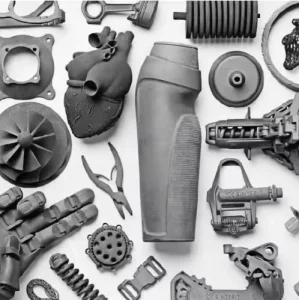
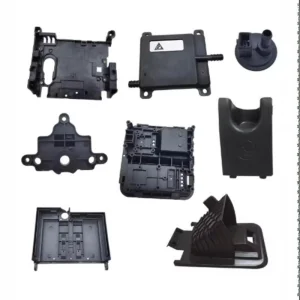
By implementing smart Factory 4.0 methodologies, companies like Wenzhou Aert Medical can ensure rapid cycle turnarounds on custom fabrications, advanced nylon 3D printing components, and complex injection molding. This keeps development and export timelines efficient, even when managing massive variations in custom global orders.
A leading pioneer in advanced mobile computed tomography, digital imaging sensors, and bedside magnetic resonance.
Wenzhou Aert Medical Co., Ltd. is a high-tech enterprise focused on the research, development, production, and sales of mobile CT, mobile MRI, and digital X-ray detectors. Headquartered in Wenzhou, Zhejiang Province, the company has multiple research and development centers and collaborates with renowned domestic and international scientific research institutions and universities to drive the advancement of intelligent medical devices globally.
The company is dedicated to providing mobile CT and mobile MRI solutions for various application scenarios, breaking through the core technologies of traditional devices and continuously upgrading them. Our equipment is widely applicable in hospital bedside, ambulance, mobile medical vehicles, and battlefield medical care, meeting the diagnostic needs in complex environments. Our mobile CT products are characterized by low radiation, easy mobility, simple operation, and high-definition image quality. They are extensively used in orthopedics, joint care, chest care, stroke, and other clinical specialties, greatly improving diagnostic efficiency and patient treatment experience.
Aert Medical has independently developed the "LingTong" and "Ark" mobile CT series, each with distinct technical directions. These products, with their low radiation, mobility, high-quality images, and ease of use, meet the diagnostic needs in various clinical settings, including hospitals, health check-up centers, and emergency rescue scenarios. Our self-developed "Automation Balance System" has seamlessly integrated CBCT technology with spiral CT technology, which is expected to elevate CBCT performance to be comparable to 64-slice spiral CT.
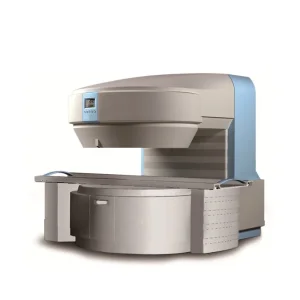
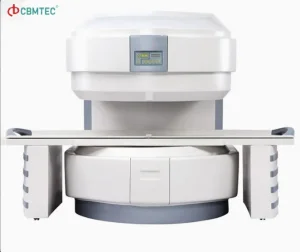
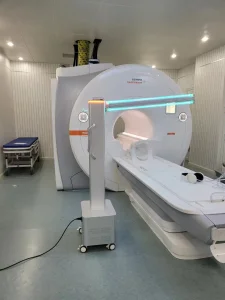
In addition, Aert Medical is actively developing a low-field mobile MRI, which is not only compact, with short scanning times, but also offers complete scanning sequences and high image quality, enabling quick diagnosis of the head, spine, joints, and breast. Our upcoming ultra-low-field head mobile MRI will be widely used in neurosurgical operating rooms to provide precise surgical navigation and diagnostic support for stroke patients.
Aert Medical's subsidiary, Wenzhou Aert Microelectronics Technology Co., Ltd., specializes in the design and development of image sensors, gathering a team of experienced experts in the field. The CMOS flat-panel detectors currently under development will provide strong support as core components for mobile CT devices. Additionally, the photon counting detectors under development are at the forefront of global technology, and their successful development will position Aert Microelectronics among the leading companies in medical chip R&D.
We adhere to the philosophy of "Excellence in Medical Devices, Integrity in Protecting Life" and actively respond to the "Healthy China" initiative. Aert Medical is committed to improving diagnostic capabilities at the grassroots level of healthcare, enhancing the construction of medical alliances in urban and rural areas, and promoting the sharing of medical resources at all levels. We strive to meet the healthcare needs of people across different regions and continue to contribute to the global advancement of the medical industry.
Aert Medical combines technological innovation with humanistic care, continuously focusing on product breakthroughs and market expansion. We aim to become a global leader in mobile medical equipment manufacturing, promoting the widespread adoption of intelligent medical devices, and making significant contributions to the development of global healthcare.
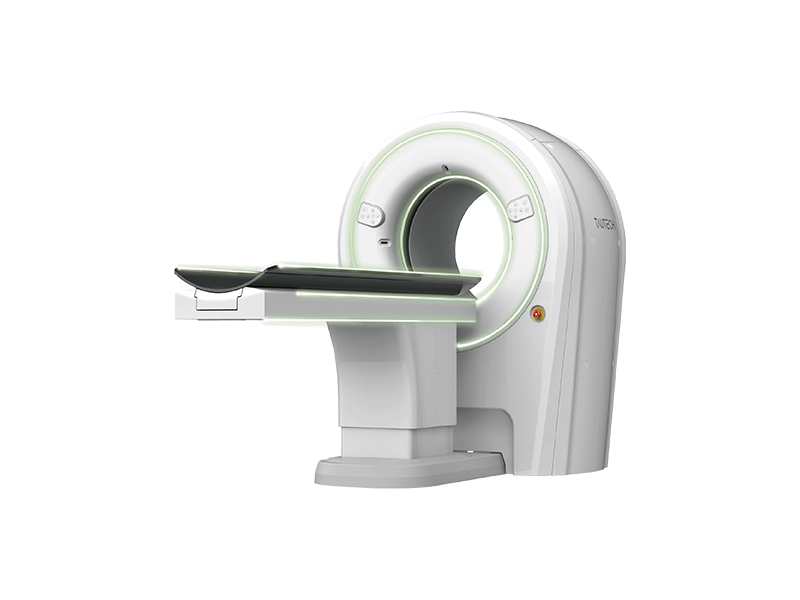
Real-world integration workflows illustrating system versatility and utility across multiple environments.
ICU wards utilize mobile CT scanners for critical diagnostic needs without exposing intubated patients to transit complications. Real-time scans speed up neurological and thoracic evaluation directly at the bedside.
Ambulances equipped with custom mobile CT systems enable stroke triage during patient transit. Fast diagnostics within the "Golden Hour" guide therapy and dramatically lower long-term disability rates.
Low-field mobile MRI units provide deep diagnostic capabilities in remote geographical areas, eliminating the need for rural communities to travel hundreds of miles to urban medical centers.
Providing technical answers to common queries regarding advanced radiology platform design, implementation, and parts supply.
Explore additional radiology platforms, infrastructure accessories, and related industrial solutions.