Aert Medical
Aert Medical
Aert Medical
In the rapidly transforming landscape of global healthcare diagnostic platforms, the paradigm of integrated imaging systems has transitioned from bulky, siloed clinical machinery to highly communicative, AI-driven digital systems. Modern clinical diagnostics demand real-time computational synthesis, instant image reconstruction, and point-of-care accessibility. No longer are hospitals satisfied with standalone systems that require heavy mechanical operations and dedicated radiation rooms for simple, time-sensitive imaging tasks.
China's manufacturing sector has risen to the forefront of this global shift, serving as a primary developer and wholesale exporter of integrated components. By combining advanced CMOS detector technology with ultra-fast reconstructive algorithms, manufacturers are now engineering imaging units that weigh a fraction of conventional CT and MRI systems. These advancements allow emergency rooms, remote medical clinics, and battlefield care centers to achieve spatial resolutions that were once only possible with heavy, fixed multi-million dollar installations.
Dynamic algorithmic controls allow modern Cone Beam Computed Tomography (CBCT) to dramatically lower patient radiation exposure without sacrificing spatial clarity.
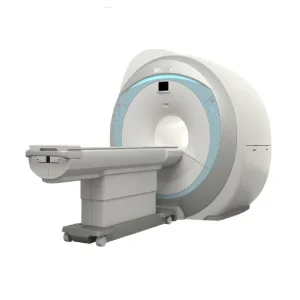
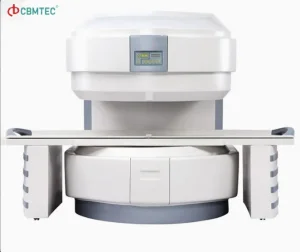
By developing zero-helium cooling matrices, global operators bypass the volatile costs of liquid helium refilling, lowering total ownership costs.
CMOS flat-panel and photon-counting detectors process signals right at the image capture plate, lowering noise and enhancing output clarity.
When clinical procurement departments, regional hospital alliances, and major medical device distributors source wholesale integrated imaging systems, their evaluation process focuses on high reliability, ease of integration, and total cost of ownership (TCO). Procurement teams must balance clinical precision with strict financial realities, looking closely at these core technical metrics:
China's manufacturing sector has evolved from simple assembly facilities into advanced Factory 4.0 industrial clusters. This transition is highly evident in the precision diagnostics field. By bringing microchip design, heavy machinery fabrication, and optical alignment laboratories together in single industrial hubs (like Zhejiang and Jiangsu provinces), Chinese suppliers deliver robust supply chain reliability that minimizes lead times for global medical systems.
Wenzhou's high-tech manufacturing sector highlights this trend. Our localized manufacturing ecosystems integrate advanced metal processing for structural imaging components with silicon manufacturing for sensor arrays. This integration insulates production lines from global shipping and semiconductor disruptions. B2B buyers receive consistent lead times, customizable design options (OEM/ODM), and stable pricing that helps shield them from volatile global inflation.

Wenzhou Aert Medical Co., Ltd. is a high-tech enterprise focused on the research, development, production, and sales of mobile CT, mobile MRI, and digital X-ray detectors. Headquartered in Wenzhou, Zhejiang Province, the company has multiple research and development centers and collaborates with renowned domestic and international scientific research institutions and universities to drive the advancement of intelligent medical devices globally.
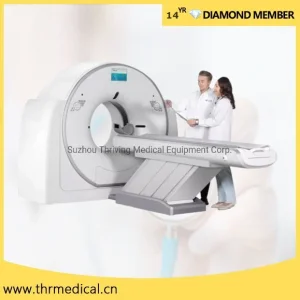
Dedicated to providing mobile CT and mobile MRI solutions for various application scenarios, Aert Medical breaks through the core technologies of traditional devices. Our equipment is widely applicable in hospital bedside care, ambulances, mobile medical vehicles, and battlefield medical environments, meeting diagnostic needs in complex settings. Our mobile CT products are characterized by low radiation, easy mobility, simple operation, and high-definition image quality. They are extensively used in orthopedics, joint care, chest care, stroke triage, and other clinical specialties, greatly improving diagnostic efficiency and the patient treatment experience.
Aert Medical has independently developed the "LingTong" and "Ark" mobile CT series, each with distinct technical directions. These products, with their low radiation, mobility, high-quality images, and ease of use, meet diagnostic needs in various clinical settings, including hospitals, health check-up centers, and emergency rescue scenarios. Our self-developed "Automation Balance System" has seamlessly integrated CBCT technology with spiral CT technology, which is expected to elevate CBCT performance to be comparable to 64-slice spiral CT.
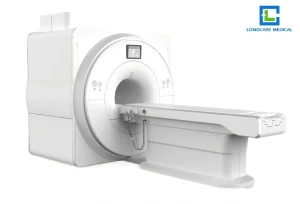
In addition, Aert Medical is actively developing a low-field mobile MRI, which is not only compact, with short scanning times, but also offers complete scanning sequences and high image quality, enabling quick diagnosis of the head, spine, joints, and breast. Our upcoming ultra-low-field head mobile MRI will be widely used in neurosurgical operating rooms to provide precise surgical navigation and diagnostic support for stroke patients.
Aert Medical's subsidiary, Wenzhou Aert Microelectronics Technology Co., Ltd., specializes in the design and development of image sensors, gathering a team of experienced experts in the field. The CMOS flat-panel detectors currently under development will provide strong support as core components for mobile CT devices. Additionally, the photon counting detectors under development are at the forefront of global technology, and their successful development will position Aert Microelectronics among the leading companies in medical chip R&D.
We adhere to the philosophy of "Excellence in Medical Devices, Integrity in Protecting Life" and actively respond to the "Healthy China" initiative. Aert Medical is committed to improving diagnostic capabilities at the grassroots level of healthcare, enhancing the construction of medical alliances in urban and rural areas, and promoting the sharing of medical resources at all levels. We strive to meet the healthcare needs of people across different regions and continue to contribute to the global advancement of the medical industry.
Integrated imaging systems are no longer confined to major hospital radiology wards. Today's hardware is customized to perform across diverse industrial, clinical, and infrastructure applications:
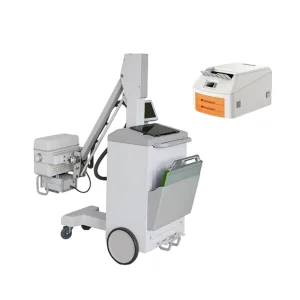
Mobile CT and bedside X-ray systems scan stroke and orthopedic patients directly in their rooms, removing the risks and delays of moving critically ill patients.
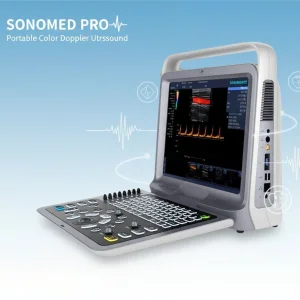
Portable handheld ultrasound scanners allow emergency doctors and remote clinics to evaluate internal bleeding, cardiac anomalies, and fetal development on site.
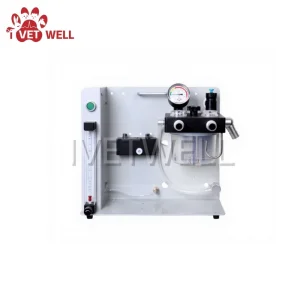
Veterinary clinics use integrated, low-radiation imaging systems alongside specialized animal anesthesia devices to safely manage surgical treatments.
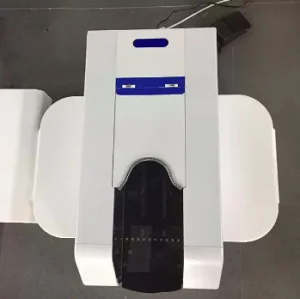
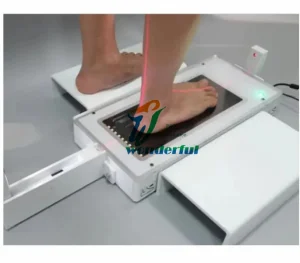
High-precision 3D foot scanners capture foot geometry down to the millimeter, feeding data directly to CAD software for custom orthotic manufacturing.
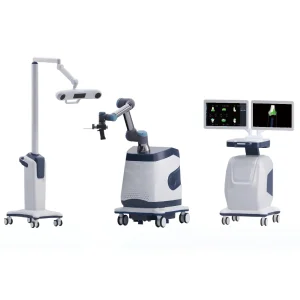
Dentistry units use optical tracking devices to guide dental implants and reconstructive procedures with sub-millimeter visual precision.
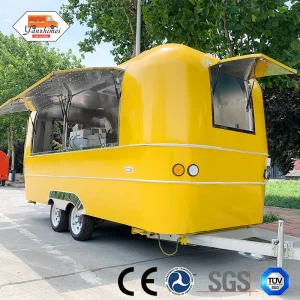
Custom touch control film switches and mobile food/diagnostic vans allow companies to convert custom vehicles into mobile health check-up centers.
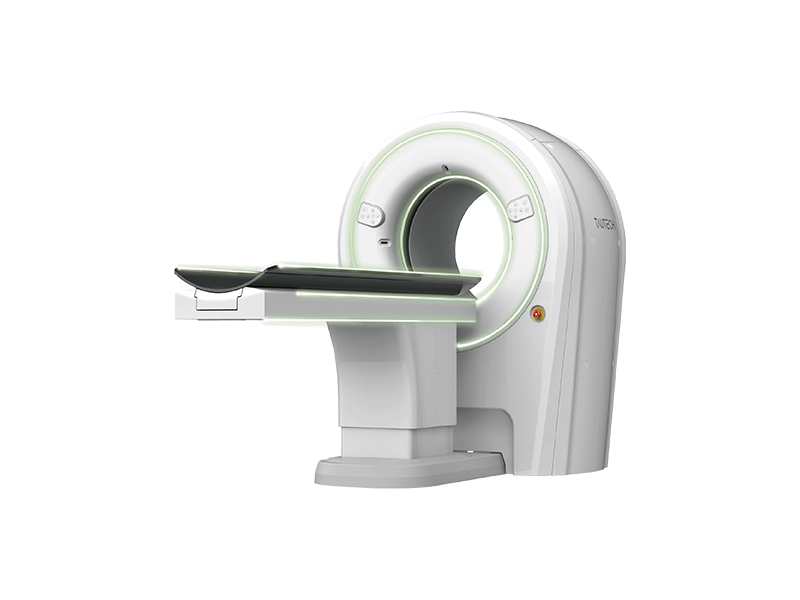
Aert Medical combines technological innovation with humanistic care, continuously focusing on product breakthroughs and market expansion. We aim to become a global leader in mobile medical equipment manufacturing, promoting the widespread adoption of intelligent medical devices, and making significant contributions to the development of global healthcare.
By advancing microelectronics design alongside robust structural engineering, we ensure that modern clinical diagnostics are accessible to grassroots healthcare facilities, emergency vehicles, and developing regions. As medical demands evolve, our focus on integrated microelectronics, simplified power demands, and robust manufacturing guarantees that hospitals worldwide can secure reliable diagnostic platforms when they need them most.