Aert Medical
Aert Medical
Aert Medical
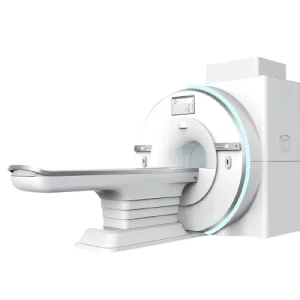
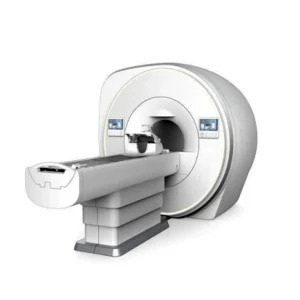
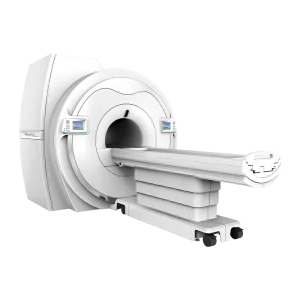
Magnetic Resonance Imaging (MRI) remains the gold standard in diagnostic radiology. However, as the global healthcare landscape shifts toward value-based care, the demand for MRI optimization technologies has reached an all-time high. Optimization is no longer just about image clarity; it encompasses cryogen-free magnet cooling, AI-driven signal-to-noise ratio (SNR) enhancement, and mobile diagnostic accessibility.
From the bustling research labs in Wenzhou to the high-tech manufacturing hubs in Germany and Japan, the race to develop the most efficient, patient-friendly, and cost-effective MRI systems is defining a new market hierarchy. This white paper analyzes the leading manufacturers and the technological breakthroughs—such as helium liquefaction systems and edge computing development boards—that are reshaping patient outcomes.
Pioneers in Deep Learning MRI reconstruction (Deep Resolve) and the world's first 7T scanner for clinical use. Their focus is on workflow automation.
Leading with the AIR™ Coils technology, which improves patient comfort while maintaining industry-leading SNR levels. Experts in wide-bore superconducting systems.
Their BlueSeal magnet technology represents the pinnacle of "Helium-Free" operations, requiring only 7 liters of liquid helium compared to 1,500 liters in traditional systems.
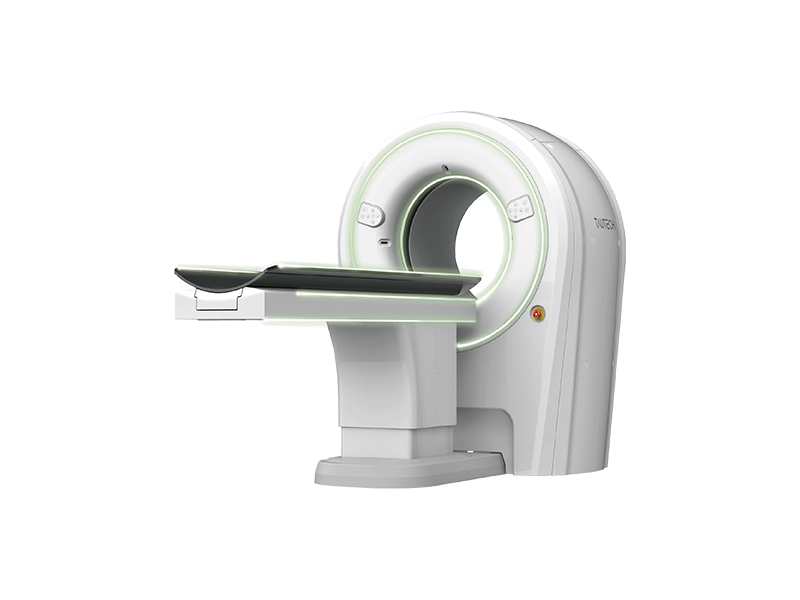
A high-tech leader specializing in mobile MRI and CT solutions. Their "LingTong" and "Ark" series focus on bedside diagnostics and field medical care.
Renowned for the Vantage Galan series, which offers ultra-quiet scanning environments and advanced non-contrast MRA techniques.
A rapidly growing force from China, offering a full range of products from 1.5T to 9.4T research systems, emphasizing vertical integration in manufacturing.
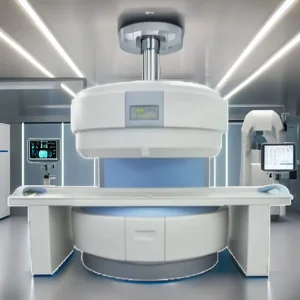
Specializing in Open MRI systems, providing excellent solutions for claustrophobic and bariatric patients without sacrificing diagnostic confidence.
The global leader in high-field pre-clinical MRI, focusing on molecular research and specialized superconducting magnets for labs.
Experts in dedicated MRI (dMRI) for musculoskeletal imaging, offering low-field, high-quality extremity scanners that reduce TCO.
Focused on affordable, high-performance superconducting systems for emerging markets, integrating AI into their entire imaging fleet.

Excellence in Medical Devices, Integrity in Protecting Life
Wenzhou Aert Medical Co., Ltd. is a premier high-tech enterprise dedicated to the research, development, and production of mobile CT and MRI technology. Headquartered in Zhejiang, China, the company operates at the intersection of AI-assisted diagnostics and robust mechanical engineering. By collaborating with global research institutions, Aert Medical is bridging the gap between hospital-bound equipment and field-ready mobile units.
The company’s "LingTong" and "Ark" mobile CT series utilize independently developed Automation Balance Systems, integrating CBCT technology with spiral CT capabilities. This leap ensures that mobile diagnostics provide the same resolution as 64-slice spiral CTs found in large city hospitals.
Aert is currently developing a compact, ultra-low-field head MRI designed for neurosurgical operating rooms, providing real-time surgical navigation for stroke patients.
Through its subsidiary, Aert Microelectronics, the company designs CMOS flat-panel detectors and photon counting detectors, positioning itself at the leading edge of medical chip R&D.
Committed to the "Healthy China" initiative, Aert Medical focuses on improving grassroots healthcare by providing affordable, high-tech diagnostic vans and mobile units for urban-rural medical alliances.
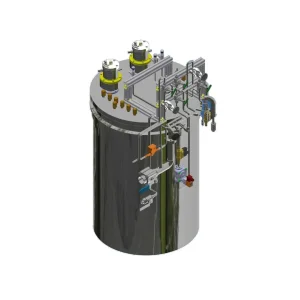
Helium scarcity is a major risk for medical facilities. Manufacturers are moving toward "dry" superconducting magnets or sealed-helium systems like the 40L/H Helium Generator systems. These technologies reduce maintenance costs and environmental impact, making MRI more sustainable.
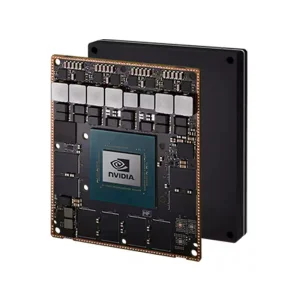
Using modules like the Nvidia Jetson Agx Xavier, MRI systems can now perform real-time image reconstruction at the "Edge." This reduces the latency of sending data to the cloud and allows for immediate diagnostic feedback in emergency scenarios.
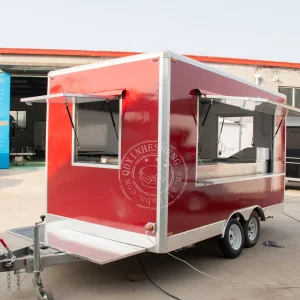
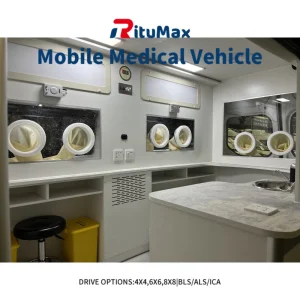
The rise of Ford Mobile Health Screening Vans equipped with diagnostic equipment shows a shift toward decentralized medicine. MRI is no longer a fixed asset but a mobile resource that can be deployed for community screening and disaster relief.
The future of MRI lies in Hyper-polarization and Multi-nuclear imaging. We anticipate that within the next decade, 1.5T superconducting quality will be achievable in devices the size of a standard briefcase, powered by room-temperature superconductors and highly optimized AI algorithms. Wenzhou Aert Medical is at the forefront of this journey, combining humanistic care with technological breakthrough.
A: It eliminates the risk of helium quenching, reduces installation weight, and drastically lowers the high maintenance costs associated with liquid helium refills and cryogenic monitoring.
A: AI algorithms, particularly deep learning reconstruction, allow for faster scans with less patient time in the bore, while removing noise that previously required higher magnetic field strengths.
A: Yes, with modern technology like the Ark and LingTong series, mobile units provide high-definition imaging equivalent to stationary 1.5T systems for many clinical specialties including orthopedics and neurology.
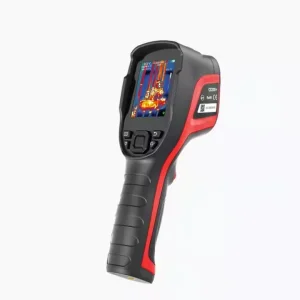
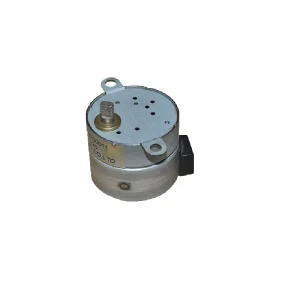
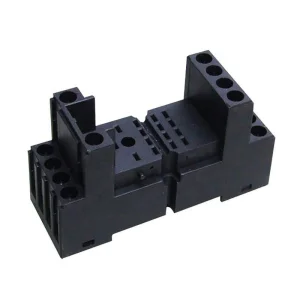
A: Key components include high-precision stepping motors, thermal imaging cameras for magnet monitoring, and robust I/O expansion cards for data processing.