Aert Medical
Aert Medical
Aert Medical
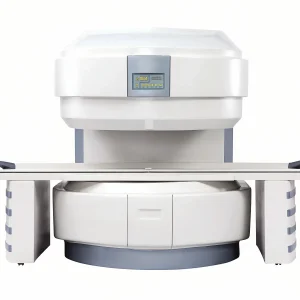
In the modern medical landscape, orthopedic imaging has undergone a paradigm shift. With the aging global population and the rise of musculoskeletal conditions, the demand for precision diagnostics—ranging from mobile MRI to advanced digital X-ray detectors—is skyrocketing. Buyers looking to source from China Wholesale Orthopedic Imaging Devices Factories are not just looking for price; they are seeking technical reliability and innovation.
The industry is currently defined by the transition from stationary, room-sized diagnostic behemoths to modular, mobile, and AI-integrated solutions. Whether it's for an ambulance, a battlefield medical unit, or a rural hospital, China has emerged as the premier manufacturing hub, leveraging massive R&D investment and a complete supply chain ecosystem.
China's dominance in medical device manufacturing stems from a trifecta of Engineering Talent, Supply Chain Integration, and Lean Manufacturing. When partnering with manufacturers like Wenzhou Aert Medical Co., Ltd., procurement teams gain access to:

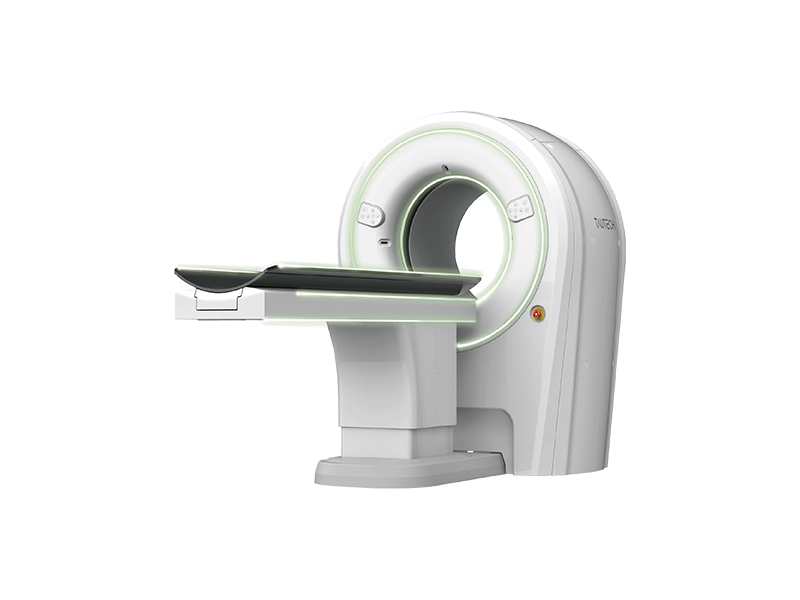
Wenzhou Aert Medical Co., Ltd. serves as a prime example of high-tech manufacturing excellence. As a specialized high-tech enterprise, they have pushed the boundaries of mobile CT and mobile MRI. Their "LingTong" and "Ark" mobile CT series illustrate how innovation meets the "Healthy China" initiative, bridging the gap between urban high-resource hospitals and rural grassroots care.
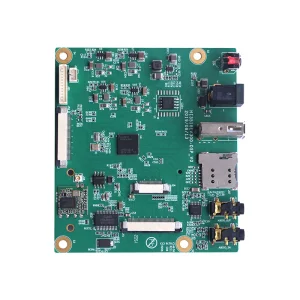
Their R&D is not merely assembly; it involves core technology development, including proprietary image sensors via their subsidiary, Wenzhou Aert Microelectronics Technology Co., Ltd. By developing photon counting detectors—a technology at the global forefront—they demonstrate how Chinese suppliers are shifting from "Made in China" to "Innovated in China."
The future of orthopedic imaging lies in AI-Driven Diagnostics and Point-of-Care (POC) imaging. We are observing three major trends:
A: Always verify ISO 13485 certifications, CE marking (for European markets), and FDA registration. Check if they have proprietary R&D capabilities or if they are simply trading houses. Manufacturers like Aert Medical, with their own R&D centers, offer more reliable support.
A: Mobile MRI systems break the physical constraints of traditional hospital infrastructure. They allow for critical imaging in operating rooms, emergency vehicles, and rapid-response scenarios, significantly improving patient outcomes for stroke and orthopedic trauma.
A: Yes. Modern Chinese medical device manufacturers are increasingly vertically integrated. For instance, designing image sensors and CMOS detectors in-house allows companies to control the entire imaging pipeline, ensuring higher integration and lower latency.