Aert Medical
The Evolution of Surgical Navigation: A Global Industry Perspective
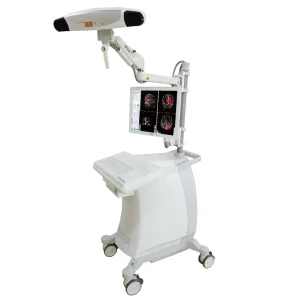
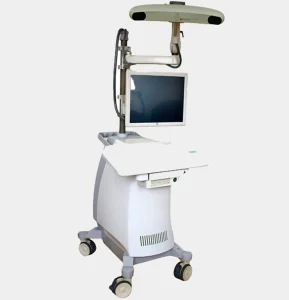
Surgical navigation technologies have revolutionized modern medicine, acting as the "GPS for surgeons." By integrating real-time imaging data with physical surgical tools, these systems drastically reduce error margins in complex procedures like neurosurgery, orthopedics, and laparoscopic interventions. As global healthcare providers face pressure to deliver better outcomes at lower costs, China has emerged as a powerhouse in the manufacturing and supply of these sophisticated technologies.
Why China Leads in Manufacturing Efficiency
China’s competitive edge in medical manufacturing is built upon a dual foundation: Integrated Supply Chains and Rapid R&D Iteration. Unlike fragmented manufacturing hubs, Chinese medical technology clusters (such as those in Wenzhou and Zhejiang) provide a holistic ecosystem where sensor development, software algorithms, and hardware assembly exist in close proximity. This drastically shortens the "concept-to-commercialization" cycle, a key requirement for global medical procurement teams.
Deep Dive: Wenzhou Aert Medical Co., Ltd. – A Case Study in Excellence
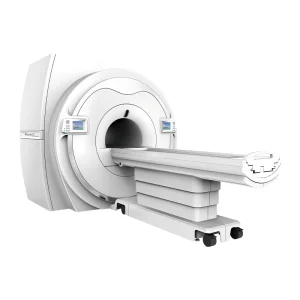
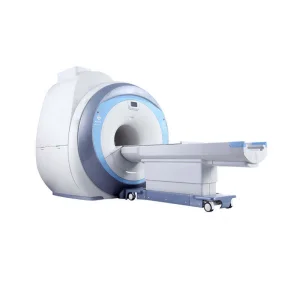
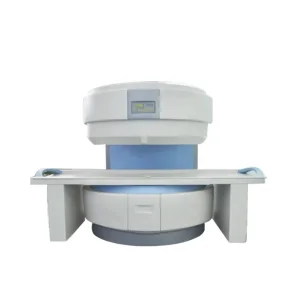
Wenzhou Aert Medical Co., Ltd. exemplifies the new wave of Chinese high-tech medical enterprises. By bridging the gap between raw research and clinical application, they provide essential solutions for mobile CT and MRI diagnostics.

Core Technological Breakthroughs
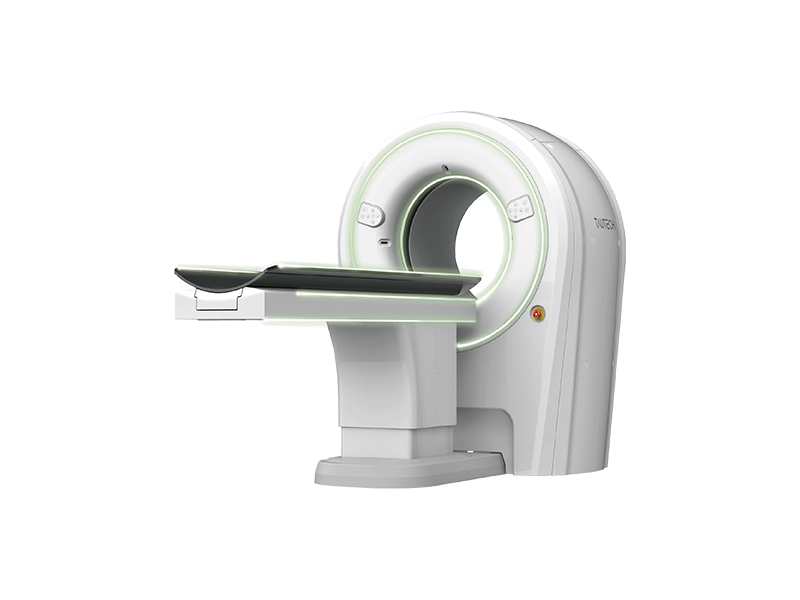
Aert Medical’s commitment to innovation is reflected in their development of the "LingTong" and "Ark" mobile CT series. Their self-developed "Automation Balance System" is a game-changer, integrating CBCT (Cone Beam Computed Tomography) with spiral CT technology. This optimization elevates image performance to compete directly with traditional 64-slice spiral CTs, but in a fraction of the physical footprint.
Future Outlook: Microelectronics and Beyond
The company’s subsidiary, Wenzhou Aert Microelectronics Technology Co., Ltd., is pivotal to their strategy. By designing proprietary image sensors and CMOS flat-panel detectors, they control the "brain" of the diagnostic device, ensuring superior reliability for healthcare facilities. Their current R&D in photon counting detectors places them at the forefront of the global medical chip industry.
Industry Trends: The Path Toward Intelligent Diagnostics
- AI Integration: Surgical navigation is increasingly using deep learning for automated image registration.
- Point-of-Care (POC): Shift from massive, stationary diagnostic rooms to mobile, bedside scanners in ambulances and trauma units.
- Global Harmonization: Chinese manufacturers are increasingly aligning with global ISO and FDA standards, ensuring interoperability for international hospital networks.
FAQ: Sourcing Surgical Navigation & Imaging Tech from China
Q: How do Chinese manufacturers ensure equipment safety?
A: Leading firms like Aert Medical strictly adhere to international medical device regulations, utilizing high-grade materials and rigorous, multi-stage testing protocols, including electromagnetic compatibility testing.
Q: Can I integrate these products into existing hospital systems?
A: Yes. Modern Chinese medical equipment is designed with open-architecture protocols (DICOM standard), ensuring seamless connectivity with PACS (Picture Archiving and Communication Systems) used globally.
Q: What is the benefit of the "Mobile" design in Surgical Navigation?
A: Mobility allows for immediate diagnosis in ERs, operating rooms, and battlefield scenarios, where every second saved is a life saved. It eliminates the risk of transporting unstable patients to specialized imaging wings.