Aert Medical
Aert Medical
Aert Medical
The global tele-radiology landscape is undergoing a paradigm shift. As healthcare demands escalate in both rural and metropolitan environments, manufacturers are moving beyond simple image transmission to comprehensive diagnostic ecosystems. Tele-radiology systems now integrate Artificial Intelligence (AI) for preliminary triage, high-speed edge computing for real-time visualization, and robust security protocols to protect sensitive Patient Health Information (PHI).
Modern tele-radiology is no longer just about DICOM forwarding. The trend is moving towards Cloud-Native Radiology. Manufacturers are developing systems that allow radiologists to access high-fidelity images from anywhere, while embedded AI algorithms highlight potential anomalies—such as intracranial hemorrhages or pulmonary nodules—within seconds of the acquisition. This "Information Gain" drastically reduces turnaround times, which is critical in stroke and trauma care.
China has emerged as a cornerstone in the global medical equipment supply chain. The "Factory 4.0" initiative represents a transition from labor-intensive manufacturing to smart, data-driven production. This evolution ensures that components—from CMOS detectors to high-frequency generators—are produced with uncompromising precision and repeatability. This resilience is what allows manufacturers like Aert Medical to scale innovative solutions globally while maintaining strict ISO-compliant quality benchmarks.
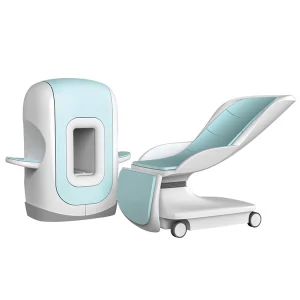
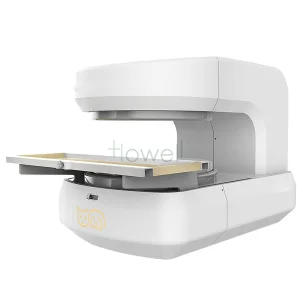
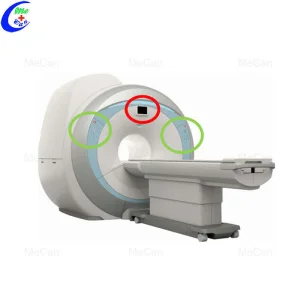
Aert Medical exemplifies the new wave of high-tech medical manufacturing. By focusing on mobile CT and mobile MRI solutions, they address the "last mile" of healthcare accessibility. Their "LingTong" and "Ark" series demonstrate a deep understanding of clinical workflow optimization. By integrating CBCT and spiral CT technology through an "Automation Balance System," they are effectively democratizing high-end diagnostic capability, making it available in ambulances, bedside care, and rural field clinics.

When selecting a manufacturer for tele-radiology systems, procurement professionals now prioritize:
A: By seamlessly integrating CBCT with spiral CT technology, the system mitigates artifacts and optimizes reconstruction speed, allowing for high-definition 3D imaging comparable to 64-slice systems, essential for precise navigation in neurosurgery.
A: Mobile MRI, particularly ultra-low-field variants, provides real-time surgical navigation. This is invaluable for stroke management, as it enables intra-operative decision-making without moving critical patients to an imaging suite.
A: Prioritize manufacturers that demonstrate a vertical integration strategy (e.g., in-house development of sensors and chips), which ensures supply chain stability and faster response times for technical support.