 Aert Medical
Aert Medical
Aert Medical
High-performance network routing, local storage, and mobile transit systems designed to keep medical imaging devices and telemedicine data moving fluidly under critical conditions.
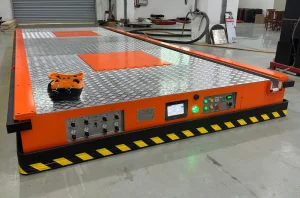
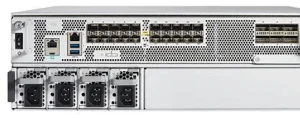
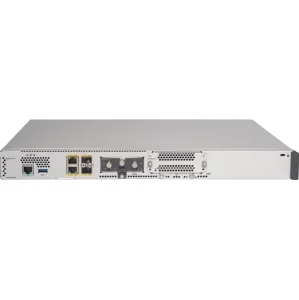
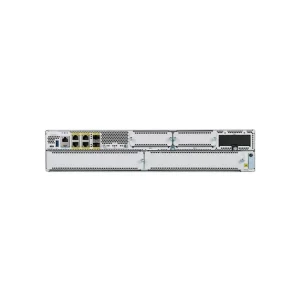
Namibia, characterized by its vast geographical footprint of approximately 825,615 square kilometers and a relatively sparse population of 2.6 million, faces unique public health challenges. The concentration of specialist medical personnel, particularly board-certified radiologists, is heavily biased toward urban enclaves such as Windhoek, Swakopmund, and Walvis Bay. For remote provinces like Kunene, Kavango East, and Karas, patients and clinical teams are routinely forced to travel hundreds of kilometers for standard diagnostic imaging scans.
To overcome this geographical divide, the implementation of Tele-Radiology Edge Platforms has transitioned from a progressive luxury to a structural necessity. By combining edge computing gateways with mobile medical imaging machines, diagnostic centers can capture patient data at the regional clinics, run initial localized processing and AI triage, and transmit highly compressed DICOM datasets over bandwidth-constrained satellite or cellular networks to remote specialists in metropolitan hubs.
Standard PACS (Picture Archiving and Communication Systems) require massive continuous bandwidth to transfer raw CT or MRI slices. Edge Platforms optimize DICOM compression (using JPEG 2000 algorithms), orchestrate SD-WAN links, and local cache medical data to prevent losses during cellular or satellite dropouts.
On a global scale, the tele-radiology landscape is experiencing a paradigm shift powered by three concurrent advancements:
Suppliers focusing on emerging markets like Sub-Saharan Africa must supply unified solutions that combine robust edge routing platforms with mobile imaging technologies, guaranteeing resilience against power fluctuations and unstable internet connectivity.
Integrating High-Tech Mobile Imaging Hardware with Resilient Edge Platform Connectivity Architectures.
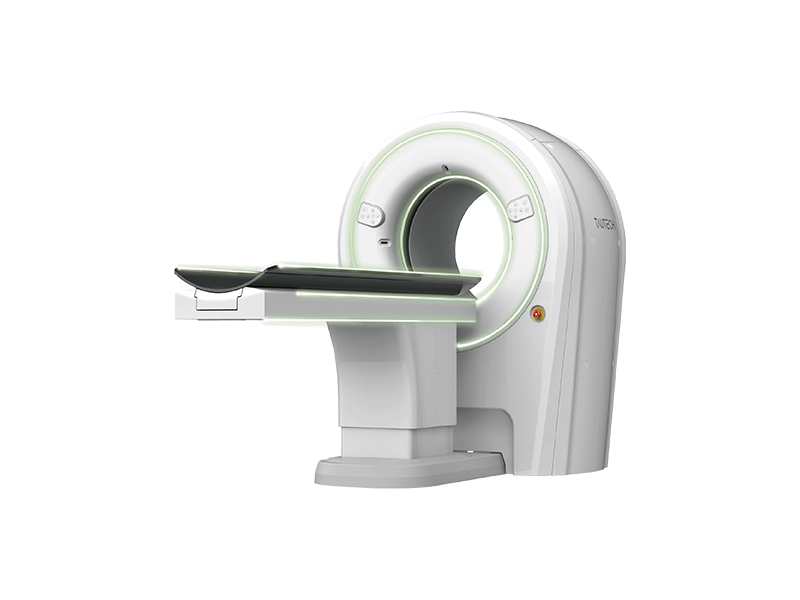
Wenzhou Aert Medical Co., Ltd. is a leading high-tech enterprise dedicated to the research, design, production, and distribution of mobile CT, mobile MRI systems, and digital X-ray detectors. Headquartered in Zhejiang, China, the company maintains advanced research laboratories and leverages strategic collaborations with global institutions to engineer intelligent medical devices suitable for challenging conditions.
Aert Medical's innovative hardware portfolio acts as the diagnostic cornerstone, while our integrated teleradiology edge computing systems serve as the digital pipeline. Together, they ensure that regional clinics across Namibia can capture clinical-grade scans locally, perform local rendering, and exchange data with external clinical specialists seamlessly.

Aert Medical's specialized mobile CT and mobile MRI designs break through the cost and infrastructure limitations of conventional imaging suites. Designed to operate effectively within ambulances, mobile medical vans, bedside settings, and field rescue environments, these units prioritize durability, low radiation dose, and high diagnostic accuracy:
How edge platform teleradiology addresses localized operational demands across diverse sectors in Namibia.
Connecting remote clinics in Opuwo, Rundu, and Katima Mulilo to Windhoek Central Hospital. DICOM images are cached locally on edge gateways and uploaded when bandwidth becomes available, ensuring uninterrupted patient workflows.
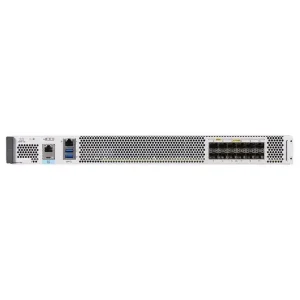
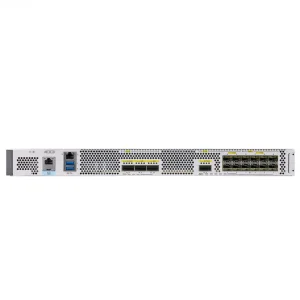
Large-scale operations in Oranjemund and Husab utilize mobile CT vans integrated with C8200L SD-WAN gateways to diagnose traumatic head injuries and spinal compression on-site, enabling swift medical evacuation decisions.
Vehicles equipped with Aert's mobile CT traverse rural communities. Edge platforms leverage cellular aggregators (aggregating MTC & Telecom Namibia coverage) to maintain constant teleradiology services.
Deploying teleradiology solutions in the Namibian market requires a strict, multi-tier technology roadmap to ensure hardware reliability and clean software interoperability.
Standard DICOM images produced by Aert's mobile CT/MRI systems are processed by local computing modules. Utilizing wavelet compression, files are dynamically optimized. If connection speeds drop below 256 Kbps, the gateway queues the transmissions and prioritizes low-resolution thumbnails to provide off-site radiologists with quick triage access.
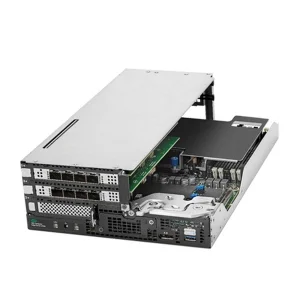
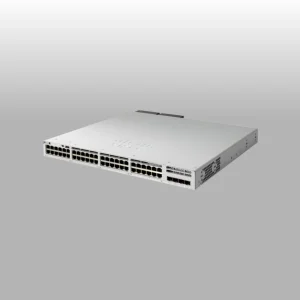
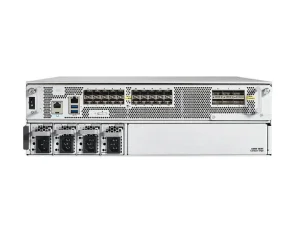
By using multi-WAN routers (such as Cisco Catalyst or HPE Edge servers), remote clinics run dual paths: combining cellular networks (MTC or Telecom Namibia) with Low-Earth-Orbit (LEO) satellite internet services. The router automatically shifts packet loads depending on signal degradation and latency profiles.
Embedding light-weight AI inference models inside the edge hardware allows local clinical teams to get instant alerts regarding critical cases (e.g. cerebral hemorrhage or pulmonary embolism) without needing a constant internet connection. The local machine alerts local operators, flagging priority studies in the central worklist.
Aert Medical's long-term plan centers on democratizing critical diagnostic workflows. Operating under the guiding philosophy of *“Excellence in Medical Devices, Integrity in Protecting Life,”* we focus on bolstering local clinical capacities, reducing the need for costly patient transfers, and making medical imaging accessible across Namibia’s diverse rural communities.
Explore our complete catalog of industrial-grade networking hardware, server units, and physical deployment support structures customized for Namibia's clinical network.
Expert technical responses to common structural, network, and hardware integration challenges in Namibia.